Moroccan tourism has witnessed a remarkable evolution over the past four years. In 2024, Morocco became the number one tourist destination in Africa, welcoming 17.4 million visitors to its diverse cities. This upward trend has continued into the current year, with the Ministry of Tourism, Handicrafts, and Social and Solidarity Economy announcing that 5.7 million tourists visited Morocco in the first four months of 2025, marking a 23% increase compared to the same period in 2024.
Several factors have made Morocco a favorite destination for Europeans, representing around 70% of last year’s visitors, including the country's diverse tourism offerings, proximity to Europe, and the availability of competitively priced flights.
Among the many reasons attracting tourists to Morocco is its rich and diverse cuisine, which has long served as a "soft power" tool for promoting Moroccan culture and heritage. The culinary variety from region to region has sparked a strong desire among travelers to discover the secrets and flavors of Moroccan dishes.
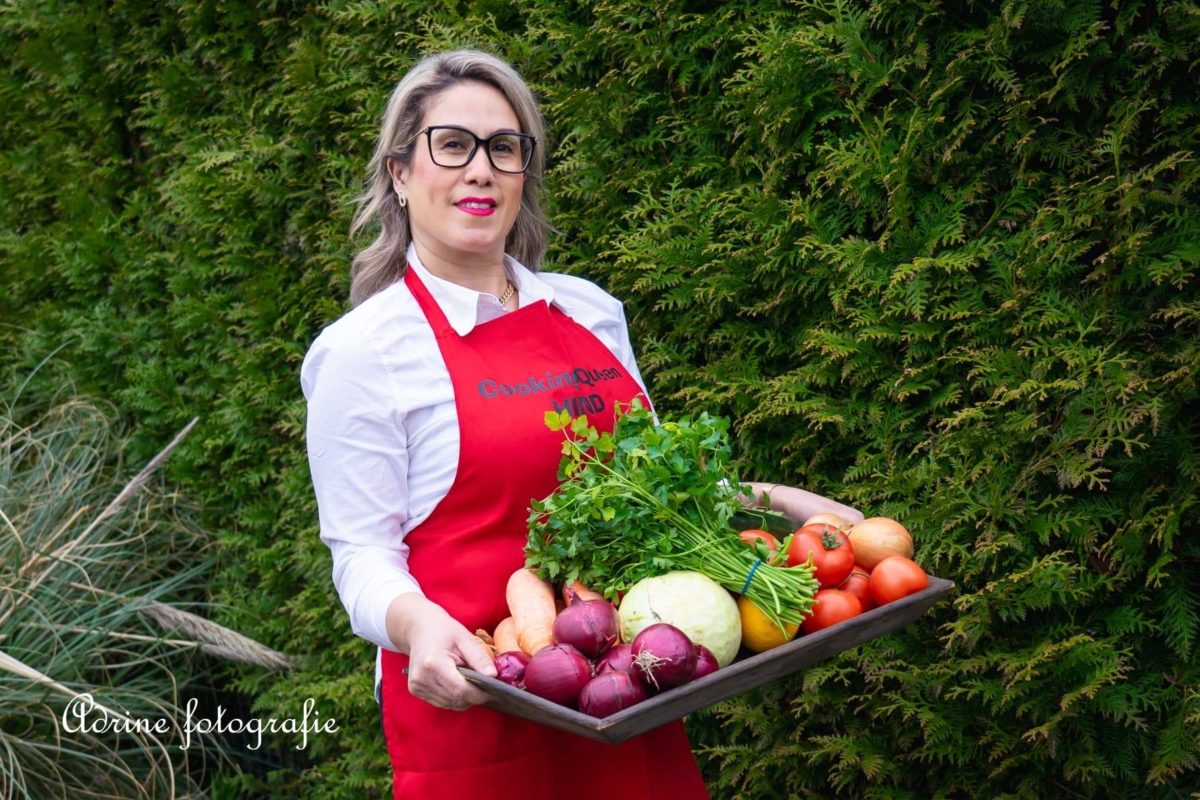
Hind Morsli, a Moroccan migrant living in the Netherlands, shared with Assahifa English how Dutch people have increasingly shown interest in visiting Morocco after tasting its cuisine and developing a desire to learn how to prepare dishes like tagine, couscous, bastilla, and other unique Moroccan appetizers.
Morsli explains that while the Dutch are avid travelers, Morocco was not previously among their top destinations, largely due to stereotypical portrayals of the country and its people in Dutch media. However, this perception has gradually shifted. More Dutch citizens are now eager to visit Moroccan cities and explore not only their cultural richness but especially the culinary experience, which Mersli attributes to “the rituals and methods Moroccans use when preparing food.”
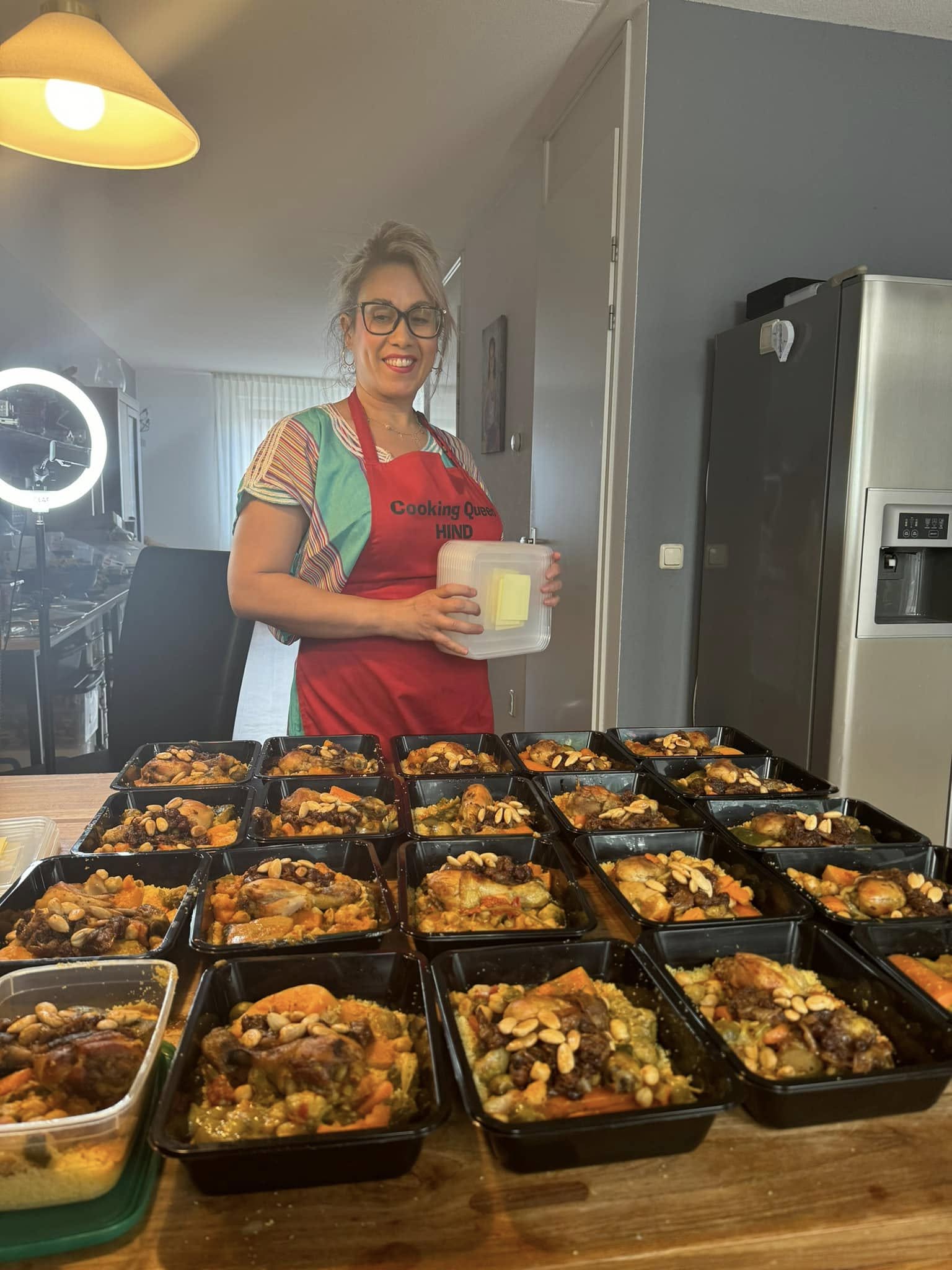
She recounts how her culinary journey began by chance when she decided to cook Moroccan dishes for her colleagues in the maternity ward of a Dutch hospital where she works. The meals were met with enthusiastic praise, and soon she began receiving repeated requests to cater full Moroccan-style meals for major events. Dutch hosts now seek traditional Moroccan dishes—from tagines cooked over charcoal to roasted chicken and couscous—adding an authentic Moroccan touch to their celebrations.
Originally from Meknes, Morsli emphasized to Assahifa English that the uniqueness of Moroccan cuisine lies in its ability to suit all palates. “A tagine can be prepared salty with vegetables and meat or sweet with prunes,” she noted—something Dutch people found fascinating, especially given their more neutral, boiled meat-and-vegetable diet.
Moroccan cuisine also heavily relies on vegetables and the use of spices to flavor dishes, which has resonated deeply with Dutch food enthusiasts. Many have now begun asking Mersli for private cooking classes to learn how to prepare authentic Moroccan meals—particularly tagines. This trend is also being embraced by hotels and riads in Morocco, which are organizing similar culinary sessions that Dutch tourists enjoy immensely.
In response to this growing interest, Hind Morsli has started organizing trips for Dutch tourists to Morocco, particularly to Marrakech, where visitors can explore the country, taste its food, and interact with locals. These trips often include Moroccan cooking workshops, which have become increasingly popular, especially over the past three years in destinations like Marrakech and Agadir.
“Morocco is history, culture, and heritage passed from generation to generation,” Morsli concludes. "Among the treasures of this heritage is our cuisine, which distinguishes our country. It is a form of soft power that can play a significant role in attracting tourists and showcasing what we have—something no one else does.”