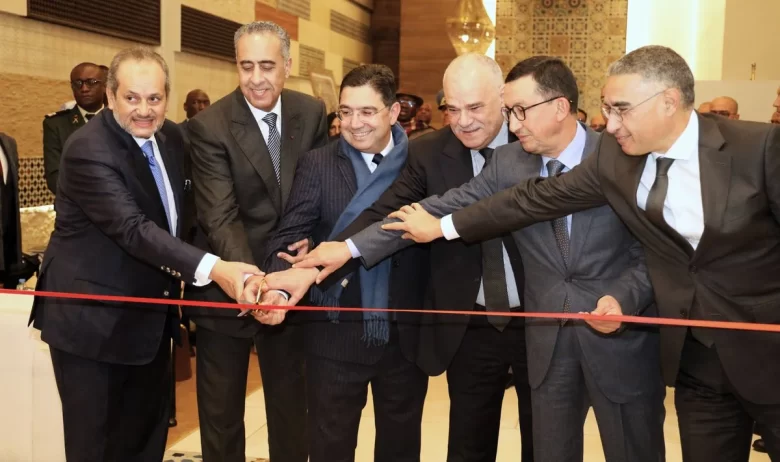
Morocco and India continue to advance their defense cooperation efforts, which have significantly accelerated in recent years, particularly following the signing of multiple agreements between Rabat and New Delhi aimed at boosting bilateral defense partnerships. These developments have already resulted in several arms deals in favor of Morocco, in addition to the localization of Indian defense industries within the Kingdom.
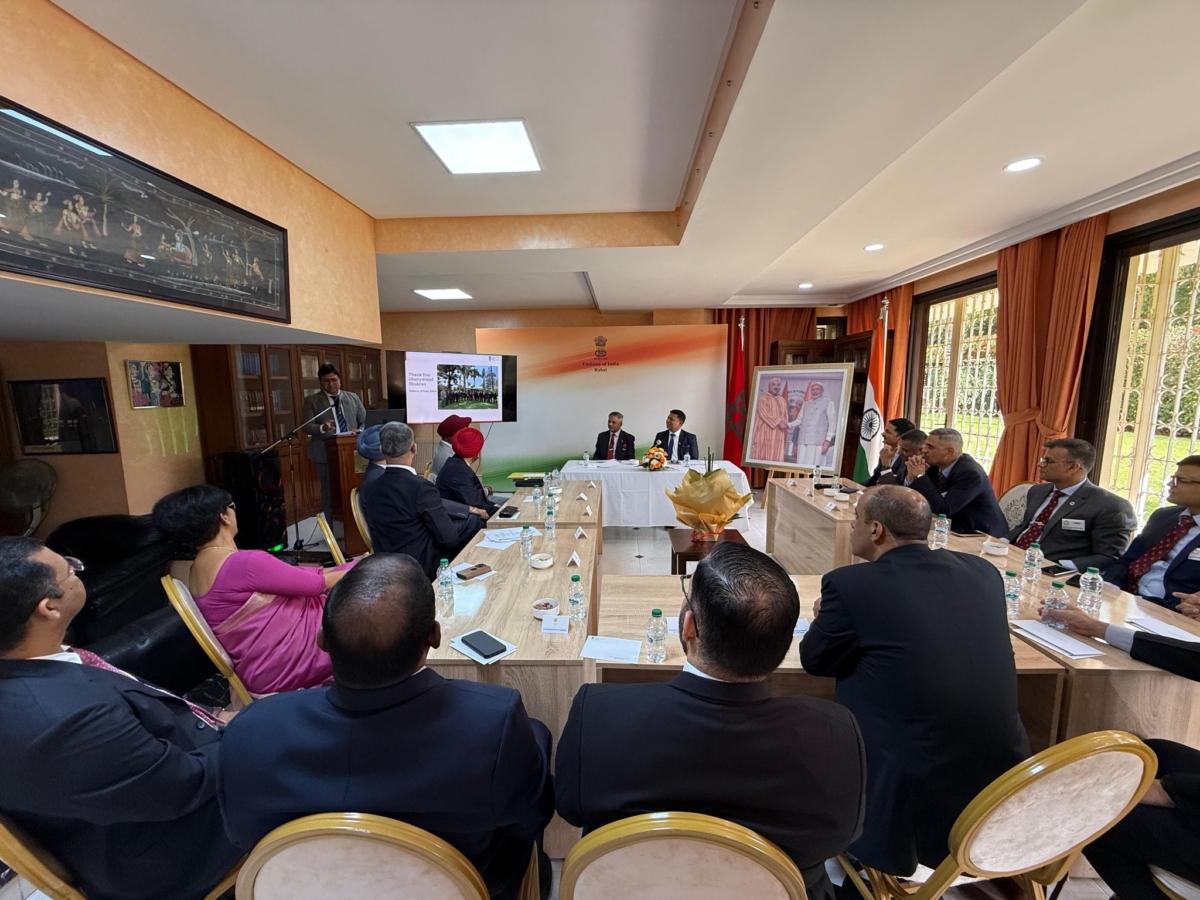
In this context, the Indian Embassy in Rabat announced that a military delegation comprising 16 senior army officers, including five from India’s allied countries, is paying an official visit to Morocco. The delegation also includes members from India’s National Defence College, led by Major General Ajay Kumar Singh.
According to the same source, the visit will last for one week, from June 1 to 7. During their stay, the delegation held a meeting with the Indian Ambassador to Morocco, Sanjay Rana, who briefed them on Indo-Moroccan relations and the ongoing defense cooperation between the two nations.
The Indian Embassy stated via its official channels that the visiting military delegation will conduct talks with senior military and administrative officials in Morocco to explore areas of defense cooperation and identify broader opportunities for bilateral collaboration.
Prior to this visit, on May 29, Ambassador Sanjay Rana met with Abdellatif Loudyi, the Moroccan Minister Delegate to the Head of Government in charge of National Defense Administration. The two sides discussed ways to enhance bilateral cooperation in the defense sector.
These developments reflect the shared desire of Morocco and India to strengthen their bilateral relations in defense, especially as Morocco has recently accelerated the development of its domestic defense sector by attracting international companies specializing in defense manufacturing — including several Indian firms.
It is worth noting that the National Defense Administration of Morocco signed a strategic partnership last year with India’s TATA Group to manufacture "WhAP 8x8" armored combat vehicles at a dedicated facility within Moroccan territory.
Commenting on this significant agreement, military and security expert Hassan Saoudi previously told Assahifa that the deal is part of "a strategic Moroccan project related to the defense industry." He noted that following the completion of legislation governing the sector, “it is now time to implement the project on the ground.”
Saoudi, a research fellow at the Royal Institute for Strategic Studies, emphasized that building a local defense industry is no easy task and requires trusted and allied partners. He explained that the defense sector operates as a multi-stakeholder ecosystem, which is why Morocco has sought to sign agreements and collaborate with various countries, including India.
In this regard, Saoudi highlighted India’s vast experience, particularly in establishing defense and security industrial zones, as well as its integrated ecosystem — a model from which Morocco can greatly benefit. He stressed the socio-economic dimensions of this industry, especially in terms of job creation, and affirmed that India presents an ideal example for Morocco to follow at this stage.
It is also worth mentioning that King Mohammed VI reaffirmed in mid-May that Morocco will continue to support programs aimed at localizing military industries to achieve full autonomy in defense. The statement was part of his address to the Royal Armed Forces on the 69th anniversary of their founding, in his capacity as Supreme Commander and Chief of the General Staff.
In the official speech released by the High Command, King Mohammed VI expressed his determination to continue supporting this strategic national initiative, noting that the state has ensured the provision of all necessary legal, logistical, and procedural frameworks to attract Moroccan and foreign investors and partners, laying the foundation for a comprehensive national defense industry.
The Moroccan monarch emphasized that localizing military industries is no longer a temporary option but a strategic path within a forward-looking vision aimed at enhancing national defense sovereignty and reducing reliance on foreign arms and military equipment.