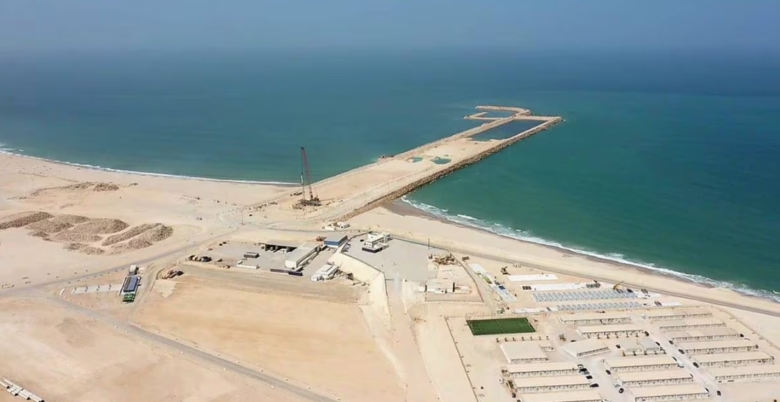

On the northern bank of the Bouregreg River, the city of Salé appears like a fragment of history resting in solemn tranquility—as if it refuses to acknowledge the rush of time or chase the clamor of major cities—where the Atlantic Ocean embraces it with its mesmerizing blue waters.
There, just a stone’s throw from the capital Rabat, Salé stands proud in its modest form, hiding within its alleys the secrets of centuries, in its faded walls and ramparts the shadows of civilizations, and in the eyes of its people the clarity of a collective memory steeped in stories.
From the very moment a visitor arrives, an unusual sensation takes hold—as if they have not come merely to explore a city, but to reconnect with a different era. No artificial noise, no flashy signs—only a harmonious rhythm of serenity and life, of past and present, of simplicity and hidden richness. Here, one needs no tour guide; it is enough to let oneself wander through the city’s paths, and Salé will take care of the rest.
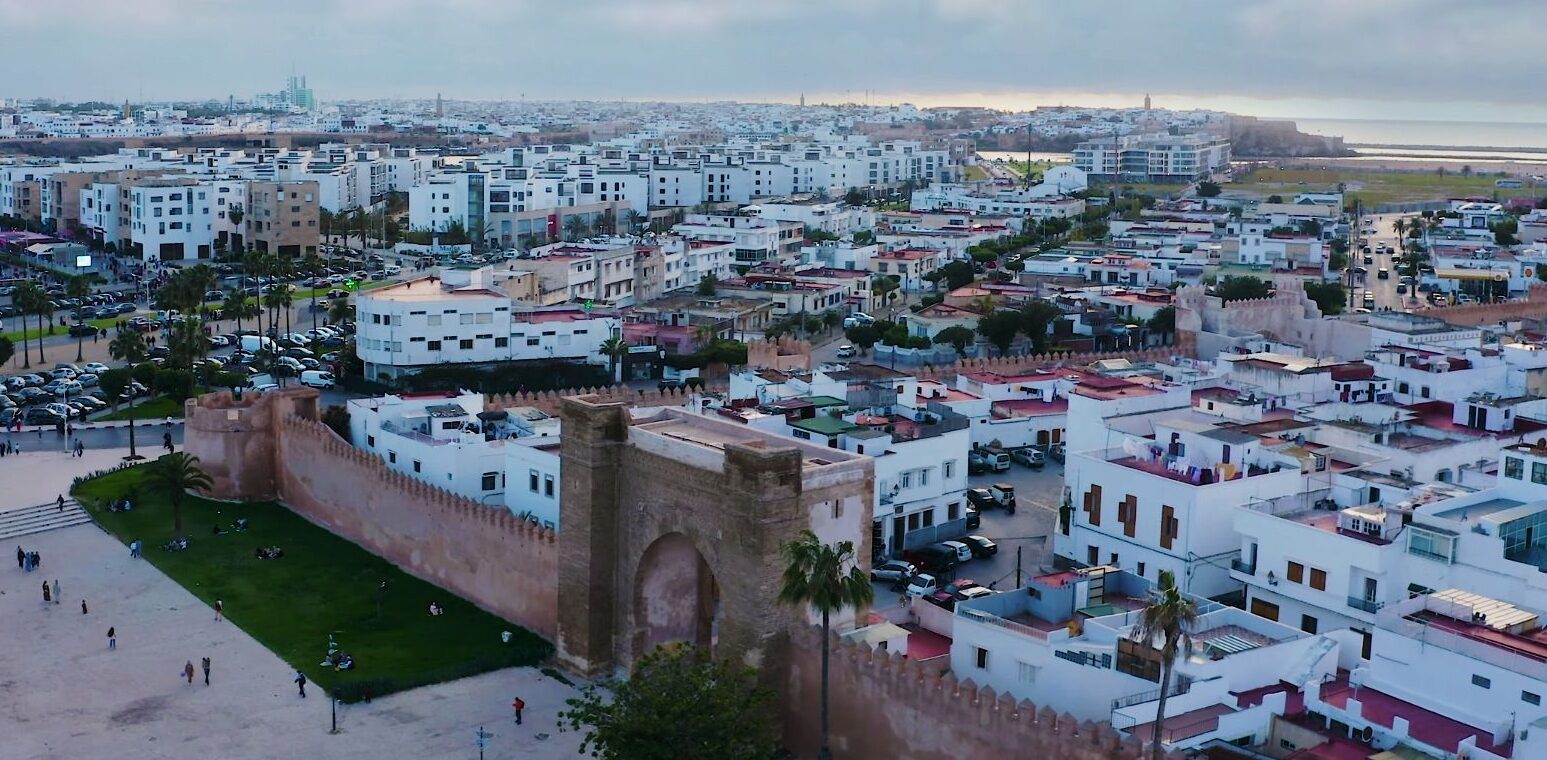
At Bab Mrisa, one of the oldest gates in Morocco, the journey begins. The breeze slips through the ancient Marinid wall, carrying with it the scents of history—burnt wood, tanned leather, and the sea that never ceases to long for the past.
The history of Salé dates back to the Roman era in the early centuries AD, but its emergence as an urban center dates to the 11th century. Over time, it became a major commercial and maritime hub, especially under the Marinid dynasty. However, its historical peak came in the 17th century, when the Moriscos—Muslims expelled from Spain during the Inquisition—founded an independent maritime republic known as the "Republic of Bouregreg." From the city's port, the infamous "Salé Pirates" set sail on daring adventures, reaching the shores of Western Europe. They established relations with major powers and brought to the city wealth and tales still whispered through its ancient alleys.
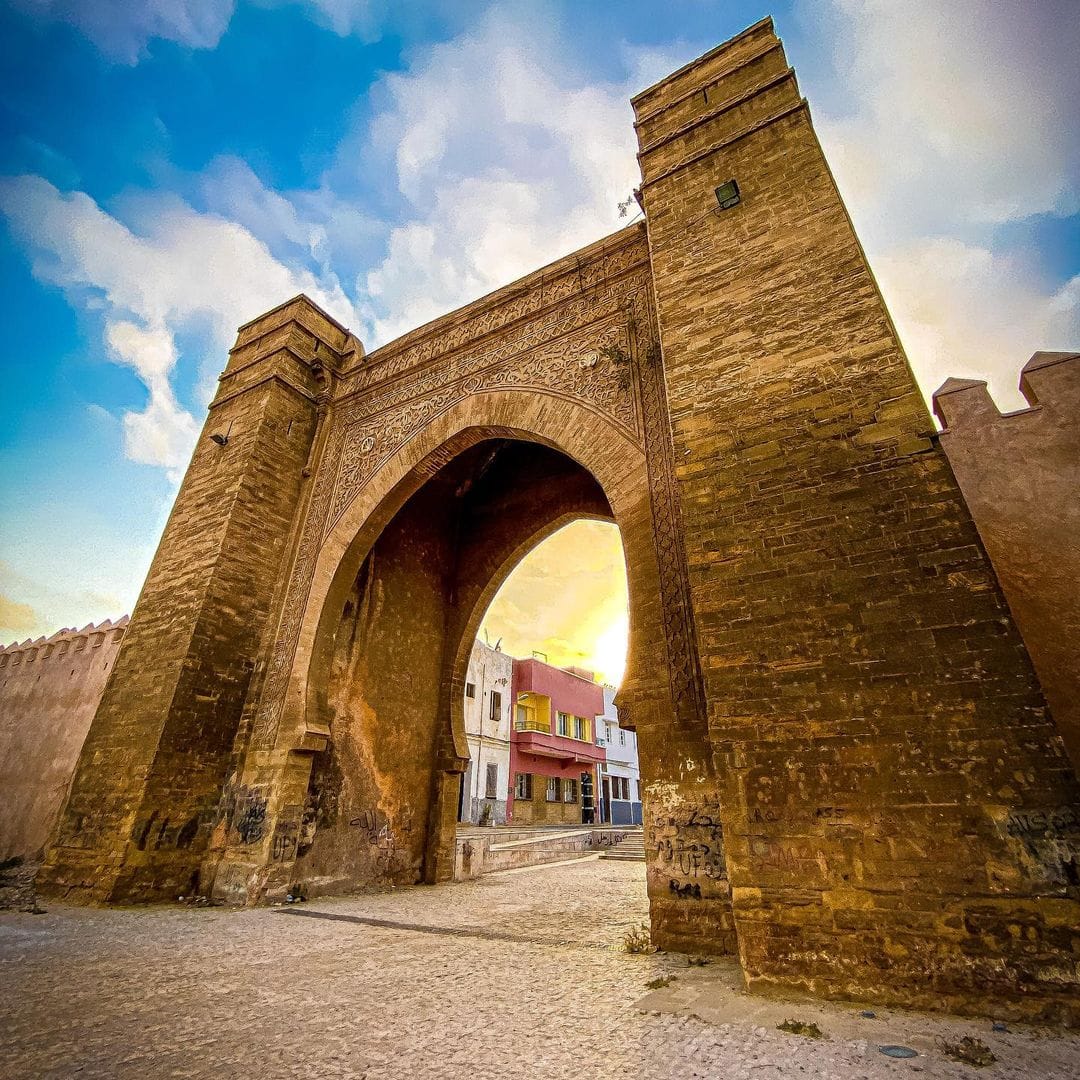
The traces of that historical era are still present in the city's features. Bab Mrisa, the main gate to the old medina, stands in majestic form, with its towering arch telling stories of the ships that once passed beneath it toward the sea. This gate was built during the reign of Sultan Abu Yusuf Yaqub al-Marini in the year 1270 CE, and to this day, it remains one of Salé’s most iconic historical and architectural landmarks, with its massive stones, faded engravings, and legends suspended on its high arch.
Beyond the gate lies the old city, with its fortified walls, bustling market, and winding alleys that have preserved their traditional layout. Here, age-old crafts coexist with daily life in places like the Spinning Market (Souk al-Ghazl) and Saturday Market (Souk as-Sabt). The goods are varied—from dates and spices to traditional sweets, embroidered fabrics, and handcrafted items made of copper, wood, and leather. More than thirty artisanal trades still survive within the medina, resisting the winds of oblivion and testifying to the richness of Moroccan craftsmanship and the precision of local artisanship.
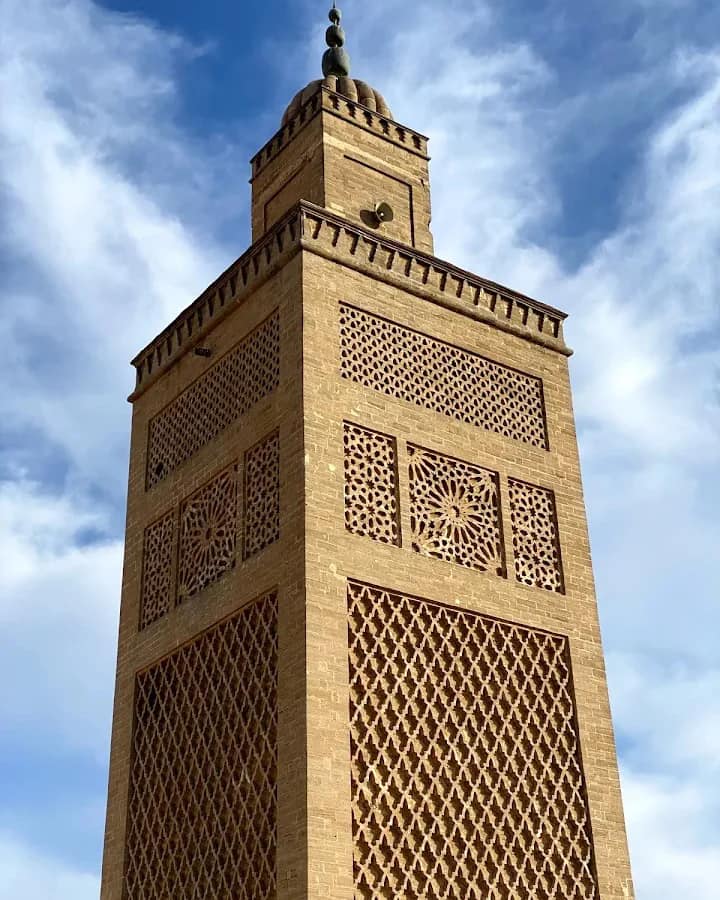
At the heart of the city stands the Great Mosque (al-Masjid al-Aʿẓam), one of the largest mosques in the Kingdom. It was first built in the 12th century by Yaqub al-Mansur of the Almohad dynasty and was later restored in the 18th century after suffering major destruction from a French bombardment in 1851, part of a retaliatory military operation. What makes it remarkable is not only its size or age, but also its deep spiritual essence—it serves as a serene place of worship, a social gathering point, and a central landmark in the city's fabric.
Next to it stands the Abu al-Hasan al-Marini Madrasa, one of the oldest educational institutions in Morocco. It was built by Sultan Abu al-Hasan al-Marini in 1342 and is distinguished by its unique Andalusian architectural style, with intricate wood carvings, engraved plaster, and ornate green zellij tilework. Though the school is now closed, it continues through its architecture to embody Salé’s role as a center of learning and culture in the medieval era, attracting students from Fes, Tetouan, and Ceuta, and producing some of the leading scholars and jurists of the time.
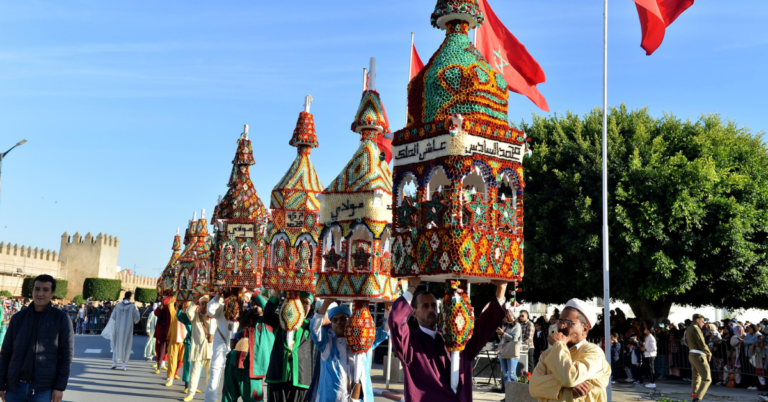
Salé is not only a city of history—it is also a city of spirit. Its old Sufi zawiyas (lodges) still preserve the traditions of communal dhikr (remembrance) and religious celebrations. The most famous is the Hassouniya Zawiya, founded by the Sufi master Hassan bin Abdulaziz al-Hassouni in the 19th century. It continues to attract disciples from across Morocco. Because of it, the traditions of the Procession of Candles (Mawkib ash-Shumuʿ) endure. This event, held annually in celebration of the Prophet Muhammad’s birthday (Mawlid), is one of the oldest religious processions in Morocco, where children carry large decorated candles in a joyful parade that winds through the old medina.
As for open spaces, the city is home to the Salé Corniche, overlooking the mouth of the Bouregreg River, where the river’s waters merge with the ocean in a breathtaking natural scene. It offers visitors a chance to stroll along the waterfront, ride traditional boats that connect Salé to Rabat in minutes, or practice water sports, including rowing in kayaks. This short journey is an opportunity to see both banks from a single viewpoint, where the Kasbah of the Udayas with its fortress and blue walls faces old Salé with its minarets and ramparts.
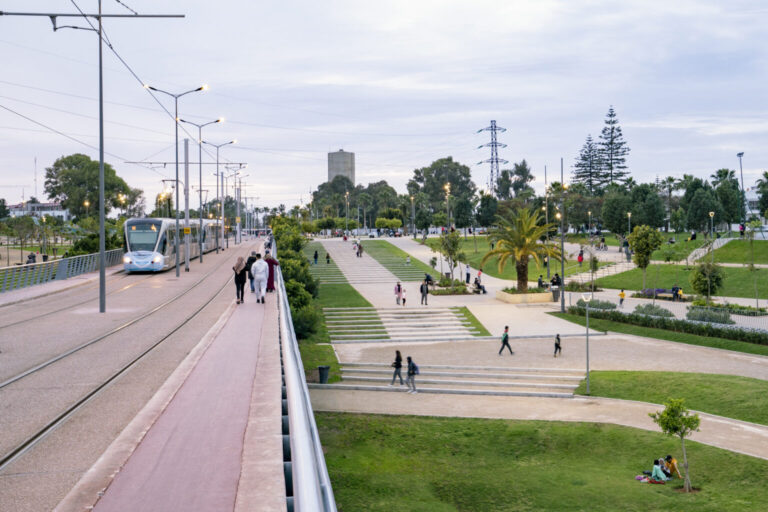
In recent years, Salé has witnessed an urban and economic revival, particularly in transportation and infrastructure. The city now offers tramway services connecting its main neighborhoods to Rabat at a fare of no more than 6 dirhams per ride. Small metered taxis are common within the city, with prices typically ranging from 6 to 20 dirhams depending on the distance. Travel between Salé and Rabat via a shared grand taxi or tramway costs between 5 and 10 dirhams, or by traditional boat for about 2.5 dirhams per person.
The city features a variety of neighborhoods—modern ones like Bettana, Al-Inbiath, and Hay Salam, and older, working-class and historic quarters such as Karima, Bab Sebta, and Shmaao. It also boasts major markets, modern shopping centers, and cultural institutions like the Salé Multimedia Library and the Mohammed Hajji Cultural Complex, as well as several arts institutes seeking to restore the city's role as a vibrant cultural hub.
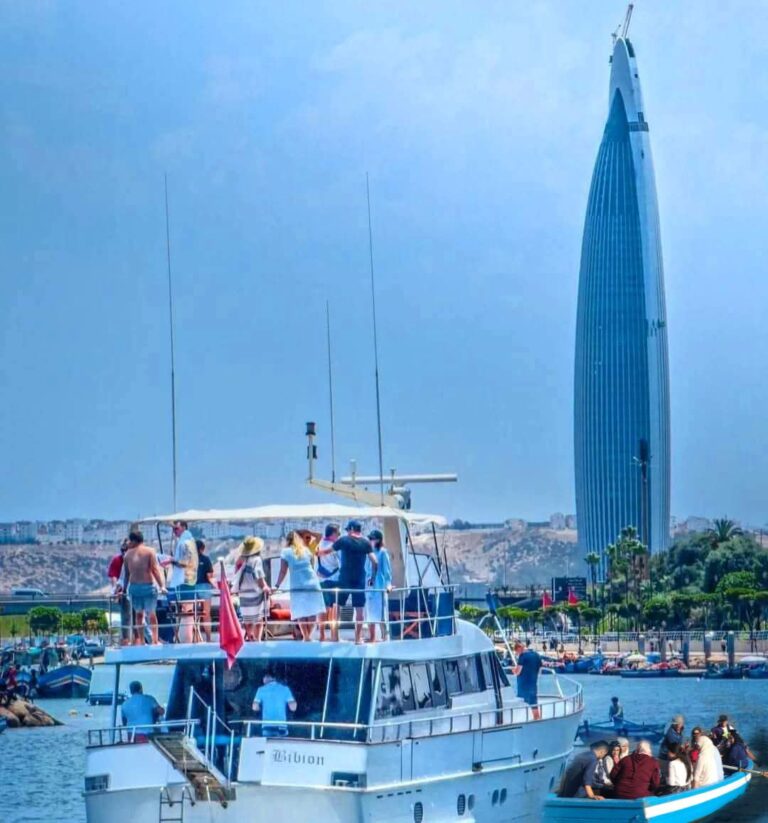
In its new urban landscape, the Mohammed VI Tower rises as the tallest skyscraper in Africa, standing on the banks of the Bouregreg. It symbolizes economic and financial progress and is part of a major project to transform the waterfront between Rabat and Salé into an international economic and cultural hub. Salé, often visited by travelers on their way to Rabat, Fez, or Meknes, is worthy of being a destination in its own right—not just a city to pass through, but a place to discover the true Moroccan spirit, between the echoes of ancient footsteps climbing the stone alleys and the subtle whispers of modern life threading into the fabric of the city.
From Bab Mrisa to the Maritime Martyrs’ Cemetery, from the old medina’s alleys to the modern markets, from Sufi lodges to the ocean shore—Salé remains a city that refuses to be summed up. It insists on being lived.
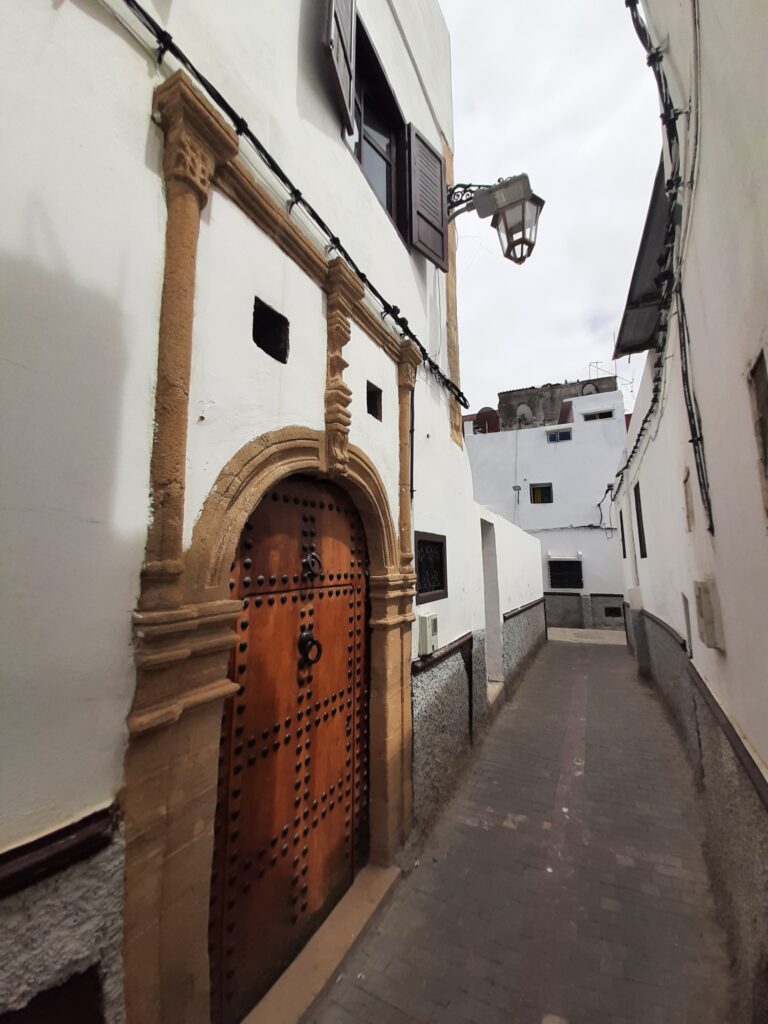
What makes Salé truly worth a long pause—or perhaps even a few days’ stay—is its remarkable ability to blend the grandeur of history with the simplicity and familiarity of daily life, without one overshadowing the other. Life in the city moves at a gentle pace, without rush or artificial noise. Vendors quietly display their goods, children play in the alleyways as if smartphones never existed, and people greet each other in markets and cafés with effortless warmth.
The city opens itself to visitors not only through its ancient landmarks, but also through its neighborhoods, streets, and cafés. Hay Salam, located in the eastern part of the city, is considered one of the relatively modern residential areas. It includes a number of administrative facilities, public spaces, kindergartens, and schools, with housing prices that are considered affordable compared to neighboring cities. Meanwhile, Bettana, a neighborhood close to the Bouregreg River, has seen a surge in interest in recent years from Rabat residents seeking larger homes at lower prices. It combines residential calm with bustling open markets.
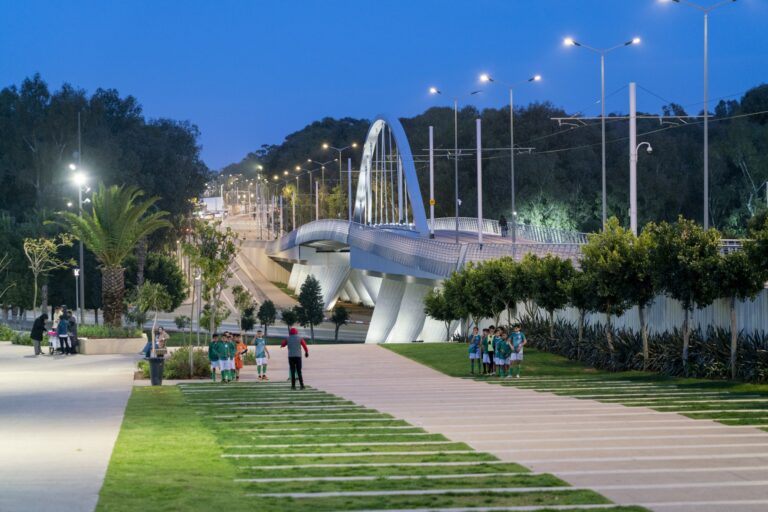
On the other side, neighborhoods such as Al-Qarya, Shmaâo, and Bab Sebta stand out as quintessentially working-class areas, known for their high population density, vibrant markets, and strong community spirit. True neighborly bonds still thrive here, and the social fabric is warmer than what is often found in larger cities. These neighborhoods also host many traditional artisans working in copper, leather, and traditional tailoring—forming the living core of age-old crafts that have survived in Salé while disappearing elsewhere.
The city is dotted with traditional bakeries and wood-fired ovens still used to make rustic khobz baldi (country-style bread), along with street vendors selling Moroccan fast food like sfenj (fried dough), harsha (semolina cakes), and baghrir (spongy pancakes) for just a few dirhams. Cafés range from simple and traditional to modern and stylish—where one can enjoy mint tea at Qahwat Al-Qasbah overlooking the river for under 10 dirhams, or sip an espresso at a trendy café near the Bouregreg Marina for 25 dirhams.
No portrait of Salé would be complete without mention of its artistic and cultural soul. The city is the birthplace of many artists, from actors to musicians, and hosts the annual International Festival of Malhoun Art, as well as other festivals dedicated to documentary cinema and folk arts. It is also home to the Tabrikt Cultural Center and numerous art spaces that organize workshops in painting, cinema, and photography.
Among the most ambitious projects reflecting Salé’s aspirations to become a fully integrated and attractive city is the City of Arts initiative, announced as part of the regional cultural plan. It aims to turn Salé into a cultural hub that attracts youth and creatives from across Morocco and abroad. The development of the Bouregreg waterfront, a joint project with Rabat, has opened vast opportunities for investment, tourism, and recreation—through the creation of theaters, green spaces, performance halls, and advanced maritime facilities.
Due to its proximity to Rabat, Salé benefits from its geographic position at the heart of a vital economic, political, and cultural axis. This makes it, at once, a city with its own identity and a natural extension of the capital. Ironically, those who visit Rabat for a day or two often find that the most meaningful and memorable moments happen across the river, in Salé—the city that chooses not to raise its voice but carves out an unforgettable place in the memory of anyone who passes through.
And when night falls, as the lights of the small boats dance across the surface of the river, the calls to prayer mingle with the sounds of the sea, and the visitor realizes that Salé is not just a point on a map—but a resting place for the soul, a stage for stories, and a space for reflection in a world rushing to forget. Salé cannot be consumed in a single visit, nor can its story be told in one quick tour. It is a city to be lived slowly, understood through experience, and loved more deeply with every detail discovered. That is its most beautiful secret.