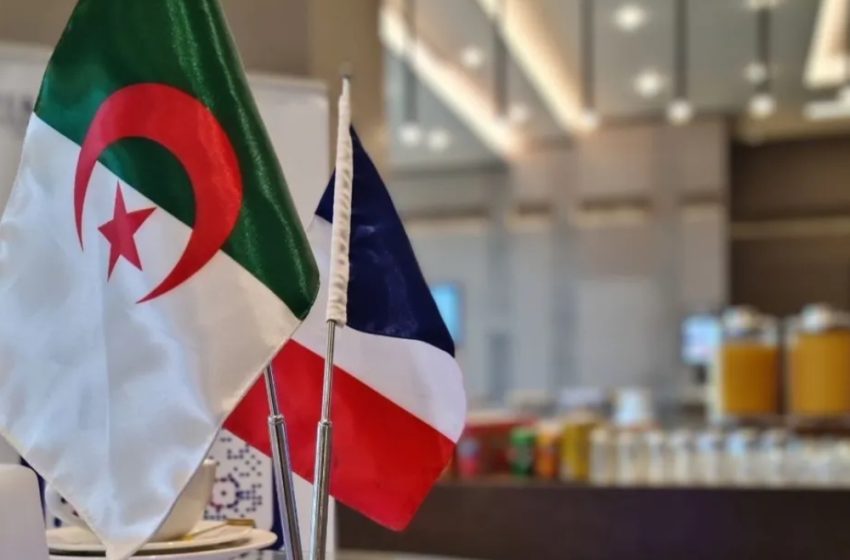
Diplomatic tensions between Algeria and France have sharply escalated after Paris revoked diplomatic privileges previously granted to 80 senior Algerian figures residing in France. French media described the move as a "graduated response" to a series of provocations by Algiers, while Algeria promptly hinted at reciprocal measures, calling the decision a serious violation of international norms.
French radio station Europe 1 revealed that Interior Minister Bruno Retailleau ordered the revocation of privileges for 80 high-ranking Algerian officials in France. This means they will no longer enjoy diplomatic facilitations and will now have to apply for regular immigration status like other foreign residents.
According to Europe 1 sources, the decision is part of a broader retaliatory policy in response to what Paris sees as provocations by the Algerian regime — including the imprisonment of author Boualem Sansal, Algeria's refusal to repatriate individuals ordered to leave French territory (OQTF), and anti-French remarks made by Algerian officials.
The same sources stated that this measure could pave the way for a more extensive move — namely, the cancellation of the 1968 bilateral agreements regulating the movement of people between the two countries. Close associates of Minister Retailleau reportedly said, "This is just the beginning, and we can go even further," signaling the potential for escalation.
The report added that while the French presidency has not officially endorsed the decision, the Interior Minister is pushing President Emmanuel Macron to take a firm stance, amid a divide within the government — between those advocating for a hard line on Algeria and others preferring de-escalation to preserve strategic ties.
In its first official response on Thursday, Algeria’s Ministry of Foreign Affairs expressed "deep astonishment" at the French measures, confirming that it had summoned the French chargé d'affaires in Algiers to demand clarification, while its diplomatic mission in Paris launched urgent consultations with the French Foreign Ministry.
In its statement, the Algerian ministry condemned France’s decision to bar embassy staff from entering restricted areas in Paris airports to retrieve diplomatic pouches, calling it "a flagrant violation of the Vienna Convention on Diplomatic Relations." It stressed that the decision had been taken by the French Interior Ministry without the knowledge of the Foreign Ministry and without prior official notification.
Algeria said the move seriously disrupts the proper functioning of its diplomatic mission in France and lacks transparency. It added that it had "decided to apply the principle of reciprocity strictly and immediately," while also pursuing legal steps at the international level — including resorting to the United Nations — to protect its diplomatic missions and interests. Algeria stressed that it would not remain passive in the face of what it deemed an infringement on its sovereignty and the dignity of its diplomats.
This latest episode comes amid a continuous deterioration in bilateral relations, despite repeated efforts to restore warmth since President Macron’s recent term. In recent years, ties have been strained over issues of historical memory, immigration, and security cooperation.
Observers believe that this escalating tension at such a moment complicates any attempt at de-escalation, particularly given the existence of two competing camps within the French government — one calling for a tougher stance on Algeria, especially on immigration and security, and the other advocating stability in light of deep economic and political interdependence.
Should Paris move forward with revoking the 1968 agreements, it would mark a fundamental shift in the legal status of thousands of Algerians residing in France and could usher in a prolonged diplomatic standoff encompassing diaspora communities, security cooperation, and economic interests.