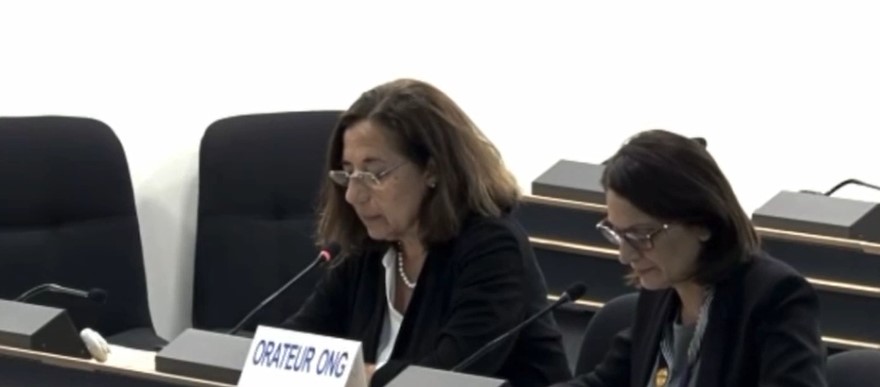
Several NGOs sounded the alarm on Friday at the 60th session of the Human Rights Council (HRC) in Geneva, highlighting the persistence of slavery practices in the Tindouf camps, run by the polisario armed group.
During the interactive dialogue with the Special Rapporteur on contemporary forms of slavery, jurist Lucia Ferreyra Perea exposed the ongoing reality of hereditary slavery and racial segregation in the camps. Speaking on behalf of the Independent Center for Research and Initiatives for Dialogue (CIRID), she cited the case of Mohammed Salem, a young Sahrawi prevented from marrying because his family was considered to be of servile origin.
Ferreyra Perea condemned this as a “flagrant violation of human dignity,” urging the HRC to launch an independent investigation into these practices.
Echoing her concerns, Mostafa Maelainine of the International Committee for the Respect and Application of the African Charter on Human and People's Rights (ICRAC) shared testimonies from former Sahrawi “refugees” who reported systemic discrimination against populations of servile descent.
He accused the polisario of instrumentalizing slavery-based practices to maintain social and political control over the camp populations, in clear violation of international conventions on the abolition of slavery. Maelainine also called on the Special Rapporteur to conduct an on-site visit and document these violations in his next report to the Council.
Both speakers stressed the urgency of safeguarding the fundamental rights to freedom, dignity, and justice for victims trapped in the Tindouf camps.