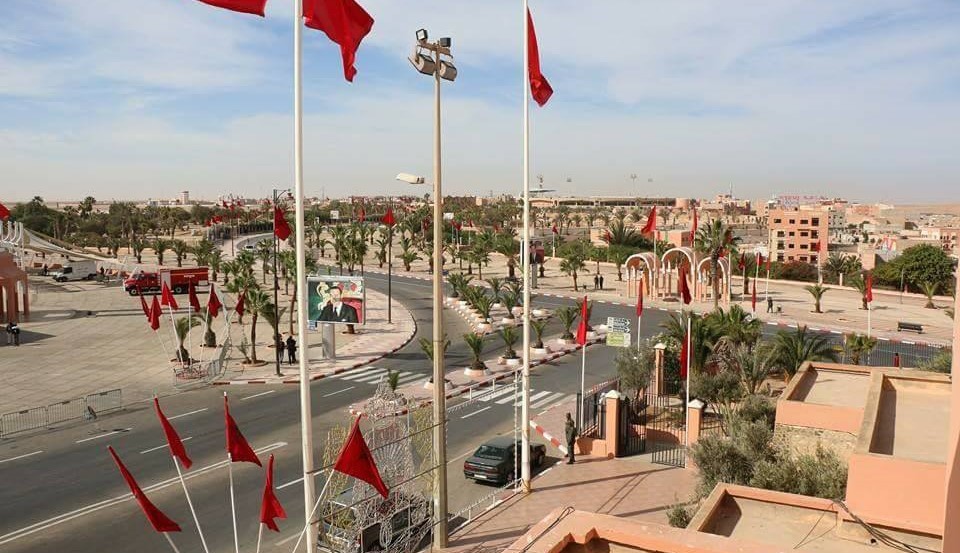
The Southern Provinces of Morocco stand today as a “model of development and stability,” said Georges-Emile Bruchez, founder and president of the Swiss NGO ONSuisse-Maroc, highlighting the Kingdom’s remarkable progress and vision in advancing the region’s growth.
Speaking to Morocco’s news agency MAP on the occasion of the 50th anniversary of the Green March, Bruchez said the commemoration comes at a particularly meaningful moment, coinciding with the recent adoption of a United Nations Security Council Resolution favorable to Morocco’s autonomy plan for the Sahara.
He described this overlap as a “fortunate historical timing” that underscores Morocco’s steady diplomatic and developmental achievements over the past decades.
Bruchez praised the extensive development efforts implemented in the Southern Provinces for more than 25 years—progress he said he has personally witnessed during his numerous visits to what he called the “remarkable” southern regions of the Kingdom.
“I have observed major structural progress throughout Morocco, which has been profoundly transformed thanks to the enlightened vision and high directives of King Mohammed VI,” he said, commending the efforts of Moroccan authorities and companies in driving forward the national development agenda.
According to the Swiss official, these achievements reflect “a long-term vision rooted in dignity and human development,” which continues to inspire confidence both domestically and internationally.
He emphasized that the development model for the Southern Provinces launched by King Mohammed VI “perfectly illustrates the convergence of political stability, economic dynamism, and international openness.”
Bruchez described UN Security Council Resolution 2797 on the Moroccan Sahara as a “historic turning point,” viewing it as the culmination of “half a century of patient, thoughtful diplomacy grounded in international law.”
“Morocco has always prioritized dialogue, peace, and cooperation,” he stressed, adding that the UN decision acknowledges “a model of governance and development that many countries now view with admiration.”
Reflecting on his country’s ties with Morocco, Bruchez highlighted the “friendship” between Switzerland and Morocco, which he said is rooted in “trust and cultural affinity.”
He further noted that ONSuisse-Maroc is working to strengthen cooperation between the two nations across multiple sectors, including education, tourism, industry, and sustainable development.
This effort, he said, is being carried out in partnership with the Swiss Federal Department of Foreign Affairs and several cultural institutions in the canton of Valais, such as the Gianadda Foundation in Martigny.
Bruchez concluded by reaffirming his NGO’s commitment to fostering deeper understanding and collaboration between Morocco and Switzerland, noting that the Kingdom’s “modern development vision” serves as an inspiring example for other countries in the region and beyond.