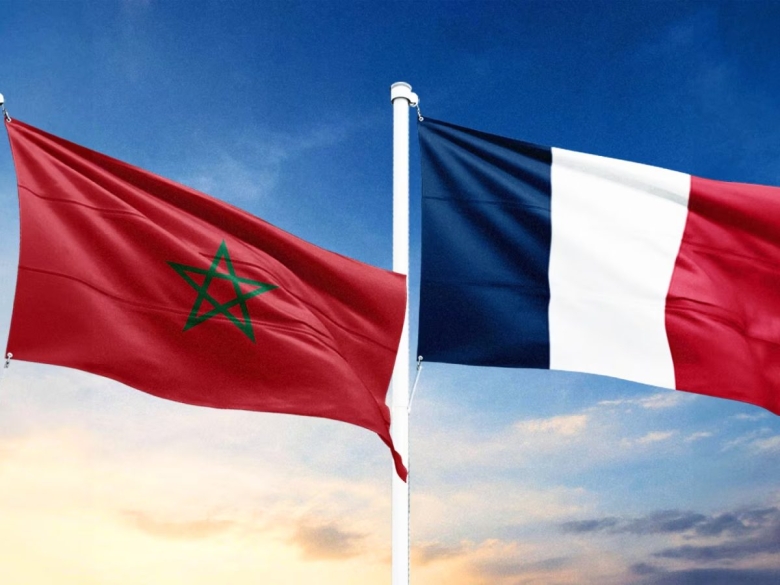
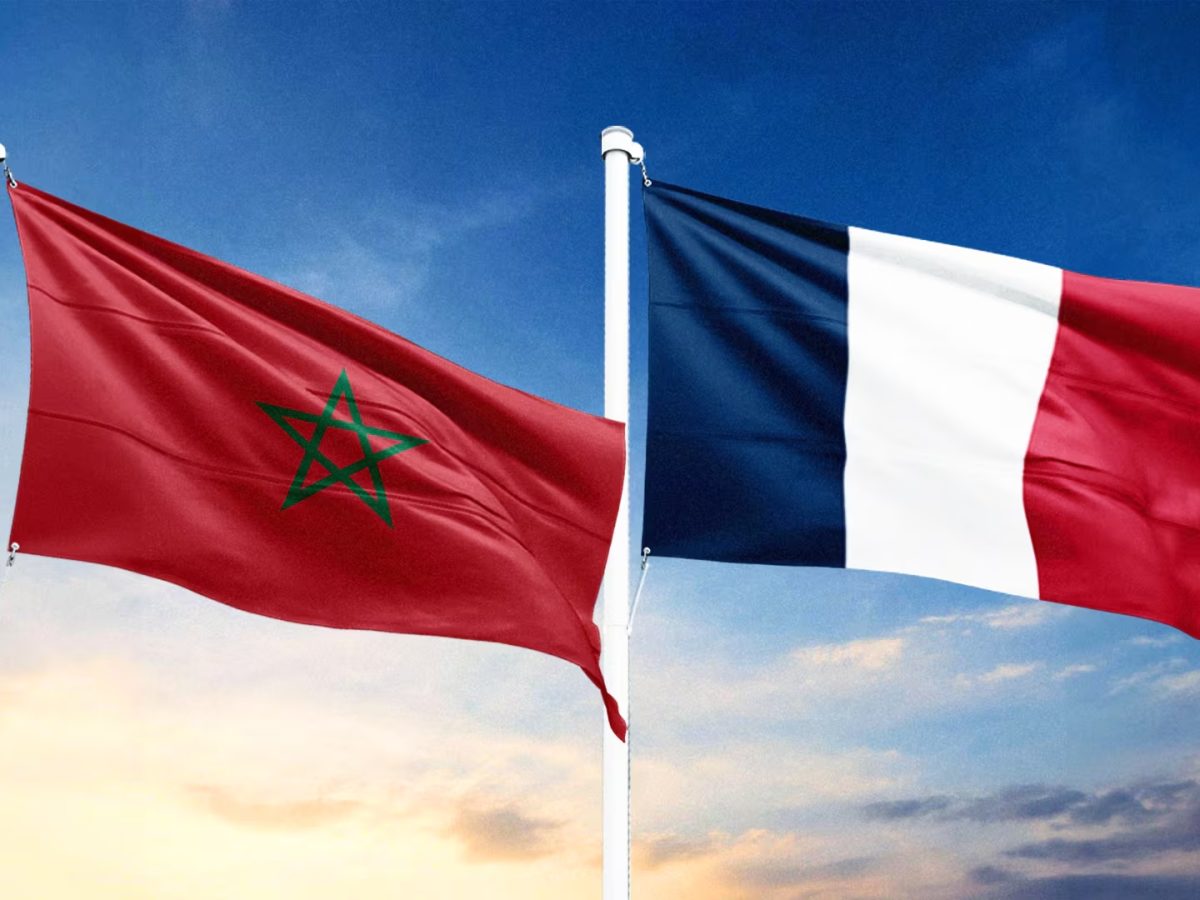
France has reaffirmed its clear and firm position on the Western Sahara issue, stating that Moroccan sovereignty over the territory is a cornerstone of its strategic partnership with Morocco and that Rabat’s autonomy plan remains the only viable framework for a lasting political solution under United Nations supervision.
The position was reiterated in Rabat during a parliamentary forum held at Morocco’s House of Representatives on Thursday, attended by the heads of the four legislative chambers of both countries, as well as members of parliamentary committees and friendship groups. The meeting took place against the backdrop of growing European support for Morocco’s stance on the issue.
The President of France’s National Assembly, Yaël Braun-Pivet, and the President of the French Senate, Gérard Larcher, stressed that Paris’s position is fully aligned with statements previously made by French President Emmanuel Macron, including a letter sent to King Mohammed VI in July 2024.
They also recalled Macron’s address to the Moroccan Parliament in October of the same year, in which he stated that the present and future of the southern provinces fall under Moroccan sovereignty and that the autonomy initiative proposed by Morocco in 2007 constitutes the sole reference for resolving the dispute in line with UN Security Council resolutions.
In their joint closing statement, the four parliamentary leaders welcomed the adoption of UN Security Council Resolution 2797 and called on all parties to engage seriously in its implementation. They also reaffirmed their support for France’s official position as expressed by President Macron, reflecting a broad institutional consensus within the French state.
Moroccan parliamentary representatives welcomed France’s support for Morocco’s territorial integrity, saying it opens the way for moving beyond political backing toward concrete partnerships, particularly through investment and development in the southern provinces.
Both sides underlined the strategic geographic position of Morocco’s southern regions as a bridge between Europe and Africa, offering significant opportunities for joint development, especially in areas such as ecological transition, sustainable use of natural resources, human capital development and job creation for young people.