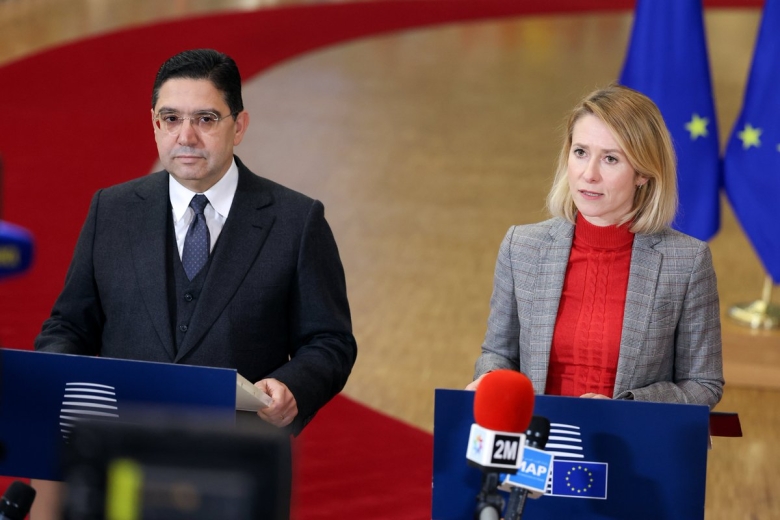
The position announced by the European Union on Thursday in Brussels, openly supporting Morocco’s autonomy initiative to resolve the Western Sahara dispute, marks a significant milestone. Its importance extends beyond the EU’s handling of the file, reaching complex regional dynamics, notably the sharp crisis in French-Algerian relations that has persisted since mid-2024.
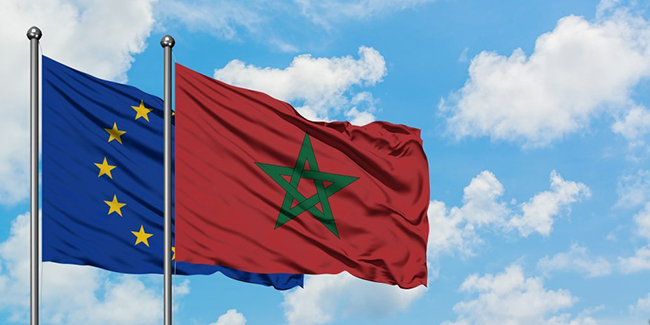
During the 15th session of the Morocco-EU Partnership Council, the 27 EU member states adopted a unified stance, stating that a “genuine autonomy” could be one of the most feasible solutions for a final settlement of the regional dispute over Western Sahara. This represents a qualitative shift, ending years of collective European ambiguity on the issue.
The position was formalized in a joint statement signed by Moroccan Foreign Minister Nasser Bourita and the EU High Representative for Foreign Affairs and Security Policy, Maia Kallas, in which the EU called on all parties to engage in talks “without preconditions and based on the autonomy plan proposed by Morocco.”
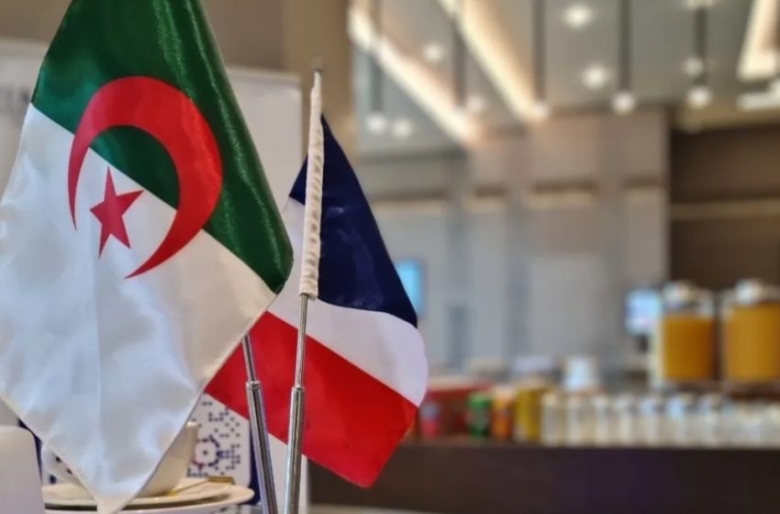
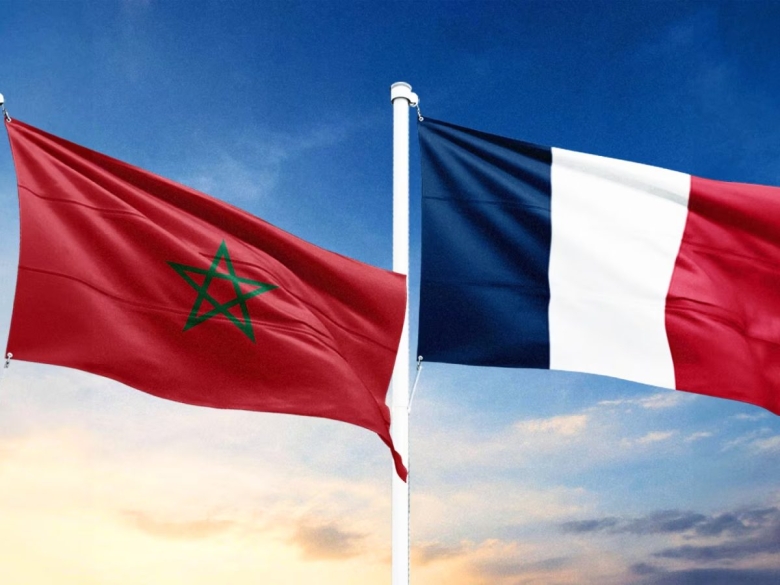
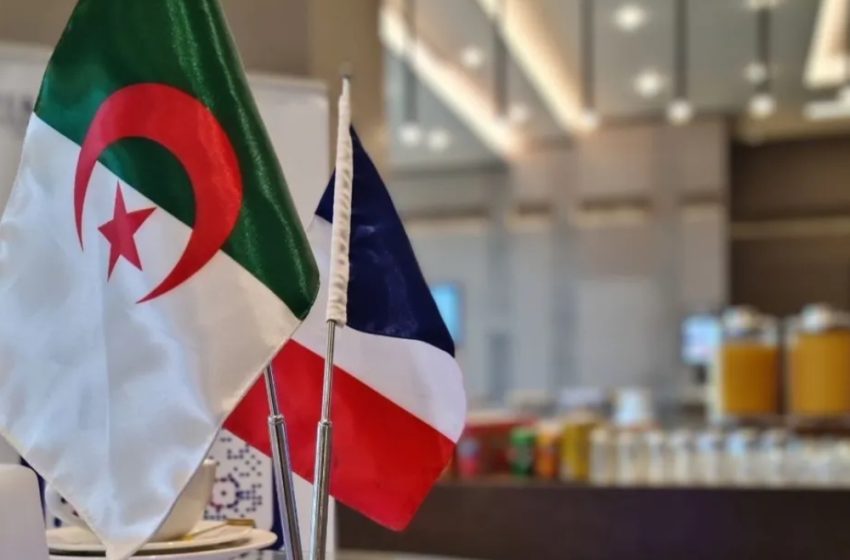
Observers of the region note that this unified European shift is particularly significant for France, which has faced an unprecedented crisis with Algeria since July 2024, following Paris’ recognition of Moroccan sovereignty over Western Sahara and its explicit support for the autonomy plan as the only framework for a permanent political solution under UN supervision.
At the time, Algeria reacted angrily to France’s position, escalating tensions with Paris and taking practical steps that included reducing bilateral cooperation in sensitive areas such as migration, alongside security and economic matters.
Since then, relations between the two countries have entered a cycle of repeated tensions, including escalating diplomatic crises. The latest incident involved Algeria summoning the French chargé d’affaires to protest a documentary aired by France 2, which alleged the involvement of Algerian diplomats in intelligence activities on French soil and an attempted kidnapping of an Algerian dissident.
The documentary further complicated the situation and deepened the trust deficit between Paris and Algiers. Analysts note that the root of the tensions largely stems from France’s support for Moroccan sovereignty over Western Sahara, which Algeria perceives as a direct challenge to one of its diplomatic red lines.
However, the EU’s adoption of a unified stance supporting the autonomy initiative is seen by many as reshaping the pressure dynamics. France is no longer isolated in its position; it is now part of a collective European policy endorsed by all EU member states.
From this perspective, Algeria faces a new reality: any attempt to target France alone risks clashing with a unified European position, limiting Algeria’s diplomatic maneuverability and making direct objections tantamount to opposing the EU as a whole, not just France.
This European stance comes amid a growing international momentum in favor of Morocco’s position on Western Sahara, a strategy that Rabat has been pursuing for years under King Mohammed VI, resulting in an expanding circle of European and international supporters for Morocco’s initiative.
For France, this alignment with the EU provides greater leverage in managing its complex relations with Algeria, reducing the political cost of its support for Morocco, and embedding this support within a broader European policy rather than a standalone national decision.