A non-governmental organization specializing in migration issues has reported that Algerian authorities expelled more than 34,000 migrants to Niger during 2025, in mass deportation operations carried out across the southern border, resulting in at least seven deaths linked to harsh expulsion conditions.
According to data documented by the NGO Alarme Phone Sahara, at least 34,236 people were expelled from Algeria to Niger between January and December 2025, through both official and unofficial convoys, particularly in the border area of Assamaka.
In its annual report, the organization indicated that the actual number of deportees is likely higher than the documented figures, citing difficulties in monitoring and the inability, in several cases, to accurately count the individuals transported in deportation convoys.
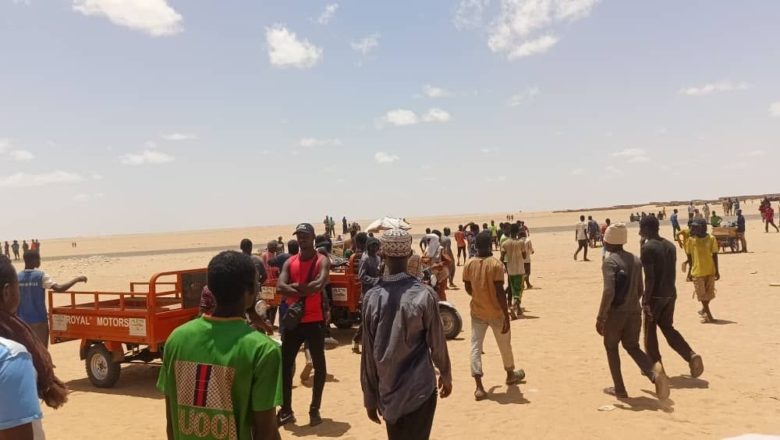
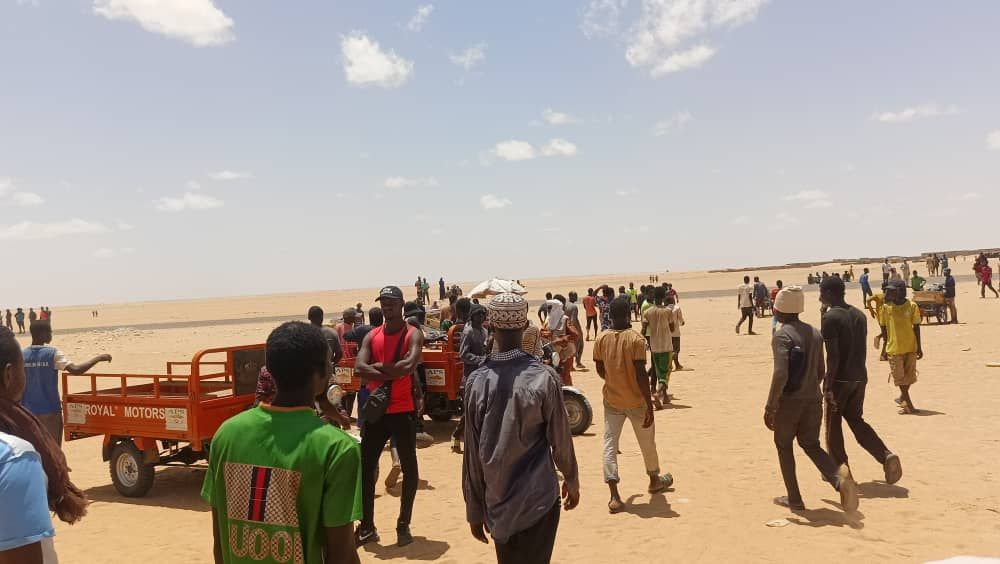
The NGO stated that deportations are carried out under what it described as “precarious and inhumane” conditions, especially for migrants abandoned in the desert at a site known as “Point Zero,” located about 15 kilometers from the town of Assamaka, as part of unofficial convoys.
The report noted that Algerian security forces do not exclude specific categories from deportation, with women and children, including infants, among those expelled, as well as people with disabilities, including blind individuals.
According to the organization, many deportees arrive suffering from injuries, wounds, and psychological trauma, which it attributed to practices during arrest and removal procedures.
Within this context, Alarme Phone Sahara documented seven deaths during 2025 that were directly or indirectly linked to expulsion conditions. The victims included migrants from Mali, Côte d’Ivoire, Guinea, and Niger.
The organization reported that some of the victims died shortly after reaching Assamaka, while others died in the desert after being left without water or assistance, with their bodies later found several kilometers from the border area.
It added that its field teams frequently travel into the desert using motorized tricycles to rescue exhausted or injured deportees, provide first aid, and transport them to the local health facility.
The NGO linked the increase in deportations to tighter migration policies in Maghreb countries, as well as enhanced regional cooperation on migration control, supported by European states.
It said these dynamics contributed to a noticeable rise in deportation operations during 2024 and 2025.
The report highlighted the continued fragility of the humanitarian situation in Assamaka, where thousands of deportees remain stranded, unable either to return to their countries of origin or to continue their journey north.
It also pointed to difficulties facing so-called “voluntary return” programs overseen by the International Organization for Migration, citing nationality verification procedures and limited resources that prolong migrants’ stay in difficult conditions.
The organization expressed concern over repeated protests by stranded migrants and what it described as “repressive responses” to these movements, calling for a more humane and participatory approach to addressing the situation.
Alarme Phone Sahara concluded by calling for an end to deportations and forced returns from Algeria and other countries in the region, urging respect for human rights and freedom of movement, and warning of continued loss of life if current policies persist.