Morocco and Belgium reaffirmed, on Thursday in Brussels, their shared commitment to deepening a strategic partnership rooted in trust, mutual respect, and a shared vision on regional and international challenges.
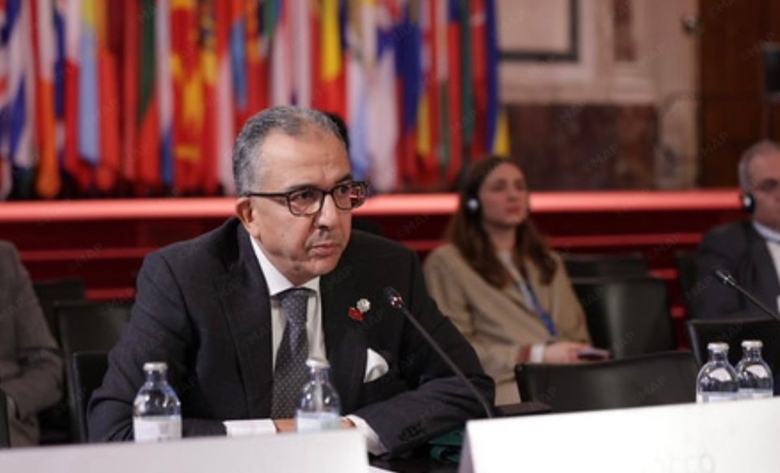
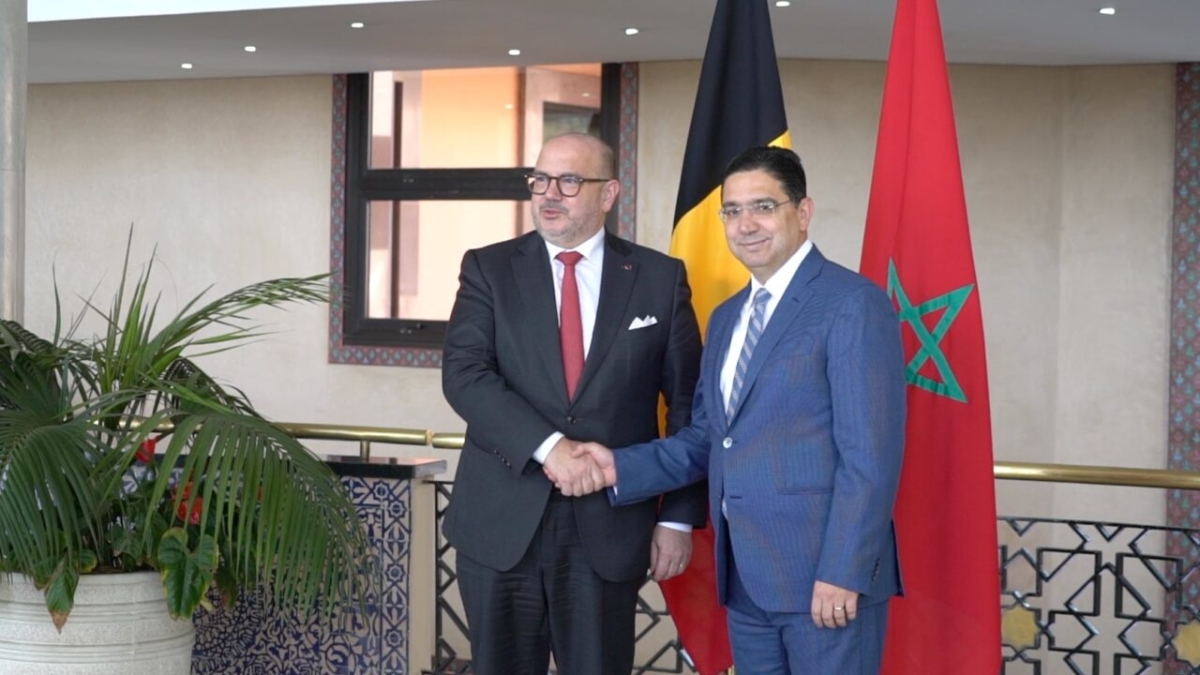
This renewed commitment came during a meeting between Minister of Foreign Affairs, African Cooperation and Moroccan Expatriates Nasser Bourita and Belgian Deputy Prime Minister and Minister of Foreign Affairs, European Affairs and Development Cooperation Maxime Prévot.
The two officials praised the strength of political dialogue between Rabat and Brussels, highlighting the progress made since the High Joint Commission held in April 2024, which resulted in a bilateral Roadmap setting out the priorities for future cooperation.
On the economic level, both ministers stressed the importance of elevating the partnership through the joint development of technological value chains, promoting sustainable investment in strategic areas such as green hydrogen, energy transition, infrastructure, and innovation.
They also emphasized the complementarity of Moroccan and Belgian visions in regional cooperation, security, and human development, reaffirming their joint determination to work together for the stability and shared prosperity of both continents.
In a significant diplomatic development, Belgium formally expressed its support for Morocco’s Autonomy Initiative, presented in 2007, describing it as the most credible and realistic framework for resolving the Sahara issue.
According to the joint statement signed at the end of the meeting, Belgium considers the Moroccan Initiative as “the most adequate, serious, credible and realistic basis” for achieving a political solution to the regional dispute.
The statement also underscored that Belgium now recognizes the Sahara as being “within the framework of the Kingdom’s sovereignty and national unity,” adding that Brussels will henceforth act “on diplomatic and economic plans in line with this position.”
This marks a major evolution in Belgium’s stance, aligning it with the growing number of countries that support Morocco’s sovereignty and autonomy plan as a realistic path toward lasting peace and stability in the region.
Minister Bourita welcomed what he described as a “significant and clear shift” in Belgium’s position, noting that it reflects a recognition of “the realistic and legitimate vision championed by His Majesty King Mohammed VI, may God assist Him, toward a definitive settlement of this regional dispute.”
He added that the new Belgian position is not only a reaffirmation of Morocco’s international standing but also a testament to the growing convergence among European partners regarding a pragmatic and solution-oriented approach to the Sahara issue.
The joint statement between Rabat and Brussels also reaffirmed both countries’ intention to continue strengthening political dialogue and enhancing cooperation across economic, cultural, and security fields.
Observers note that this diplomatic alignment reinforces the momentum of international support for Morocco’s autonomy plan, already backed by major powers including the United States, France, Spain, and Germany.
Belgium’s new stance thus consolidates the Kingdom’s diplomatic gains and reflects Europe’s increasing recognition of Morocco’s constructive role as a pillar of stability and partnership in the Mediterranean and African regions.