
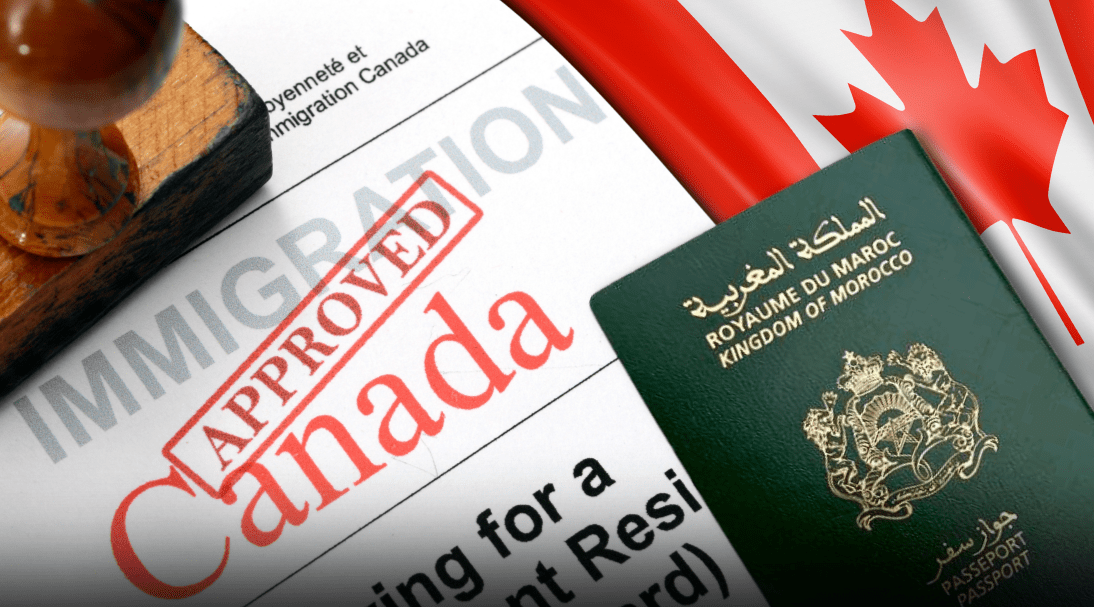
Canada has taken an unprecedented step by launching a new digital visa system aimed at simplifying and accelerating travel procedures for international travelers, while enhancing security and efficiency in processing visa applications. Morocco has been chosen as the first country in the world to pilot this innovative system for its citizens, reflecting the strong historical ties between the two nations and the increasing volume of travel from Morocco to Canada.
According to the global travel portal TTW, the new Canadian system allows Moroccan travelers to obtain their visas electronically, eliminating the need for traditional paper documentation or visits to consulates and embassies. The digital visa is securely stored on a platform, enabling travelers to manage their documents and travel plans easily while minimizing risks associated with lost or damaged passports. The pilot initially targets a limited group of Moroccan travelers who have previously obtained an approved Canadian visitor visa; these individuals will receive a digital copy of their visa alongside the traditional passport sticker.
The Canadian Ministry of Immigration, Refugees and Citizenship (IRCC) explained that the pilot aims to collect real user data and feedback to refine the system before wider implementation. The initiative also allows Canadian authorities to monitor any technical or regulatory challenges faced by travelers and make necessary adjustments to ensure system efficiency. The digital platform is expected to reduce paperwork, save time, minimize errors and delays common in traditional visa processes, and uphold high standards of privacy and data protection.
The system represents a significant step toward full digitalization of immigration and travel procedures, aligning with the global trend toward digital transformation and facilitating international mobility. Morocco’s selection as the pilot country reflects Canada’s strategy to test the system in a real-world environment with travelers already familiar with visa procedures, ensuring accurate assessment of the platform’s effectiveness.
The pilot program gives Moroccan travelers the opportunity to experience fully digital visa applications, streamlining access and reducing the time required for traditional processes. Experts believe that a successful Moroccan trial could pave the way for making Canada’s digital visa system a global standard, simplifying travel between countries and reducing reliance on paper documents and lengthy procedures.
Morocco currently leads the Maghreb countries in the number of citizens granted Canadian citizenship during the first half of 2025, with 1,835 Moroccans naturalized, representing roughly 7% of all new African citizens in Canada, according to the official website of the Moroccan Community Abroad (MCI). Data from the IRCC indicate that more than 26,000 African nationals received Canadian citizenship during this period, with Morocco, Algeria, and Tunisia collectively accounting for 5,204 naturalizations, nearly one-fifth of all new African citizens.
The MCI attributes Morocco’s leading position to Canada’s growing appeal for French-speaking immigrants, particularly in Quebec and Ontario, which host well-established Maghreb communities. Statistics show that half of the successful applications come from countries with established Moroccan or Maghreb communities in Canada for over a decade, reflecting deep historical, cultural, and linguistic ties between Morocco and Canada.