After the British government officially withdrew its support last June for the giant electricity interconnection project with Morocco, media reports have revealed that UK-based company Xlinks, in charge of the initiative, is now redirecting its focus to Germany under a new venture named “Sila Atlantik.”
According to the same reports, a group of former executives from EnBW and Orsted have teamed up to revive the project through Xlinks’ German subsidiary. The plan envisions the construction of a massive 4,800-kilometer transmission line along the Atlantic coast, designed to carry 15 gigawatts of renewable energy—generated from wind and solar farms in southern Morocco—towards Germany. If implemented, it would become one of the largest cross-border clean energy projects in the world.
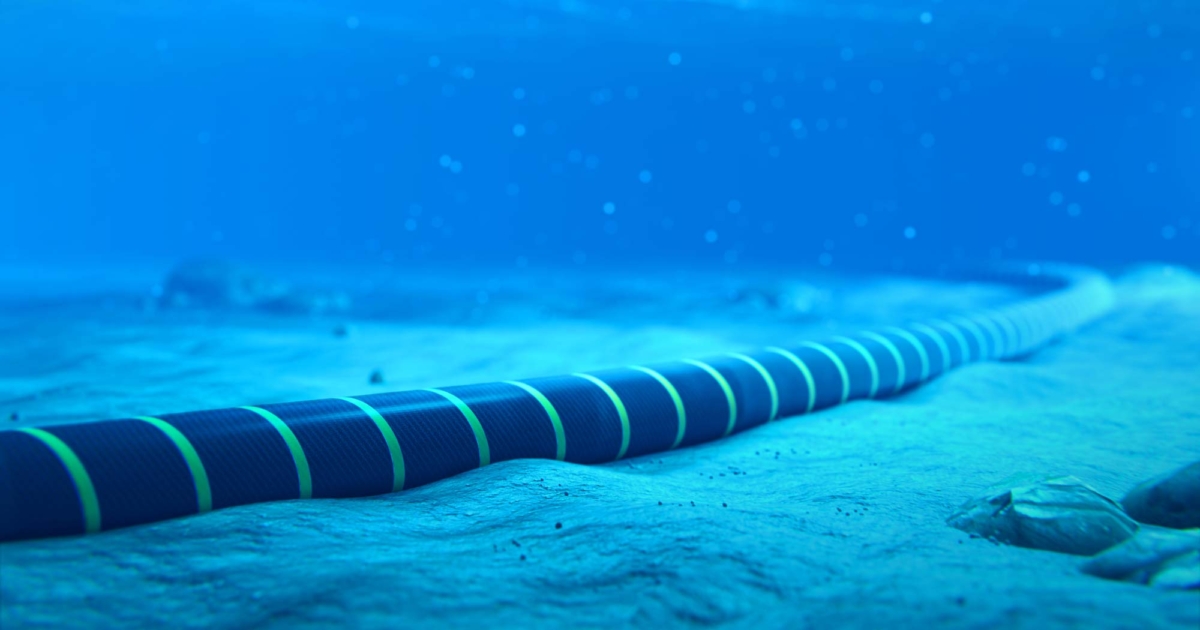
This development comes only months after London announced its decision to abandon the Morocco–UK interconnection, which aimed to provide up to 8 percent of Britain’s electricity needs, enough to power nearly seven million homes. The UK plan involved the world’s longest subsea cable, stretching 4,000 kilometers between Tan-Tan in Morocco and southwest England, with an estimated cost of £25 billion.
At the time, the British government argued that the project was “not in the national interest for now,” citing high levels of execution and security risks, and instead opted to prioritize domestic energy investments to strengthen its own supply independence.
Xlinks, however, expressed deep disappointment over the UK’s withdrawal. Its Chairman, Dave Lewis, described the decision as “a shock and a major letdown,” but stressed that the project would continue in another form, highlighting that investors remained committed after spending over £100 million on development.
As early as April, Lewis had warned that London’s “prolonged bureaucracy” threatened the project’s future, cautioning that international investors “would not wait indefinitely,” while also hinting that Germany was among the alternative destinations being considered.
He further underlined that the project could deliver electricity faster and more cheaply than nuclear energy, with the potential to cut Britain’s carbon emissions by 10 percent and reduce wholesale electricity prices by 9 percent, leveraging Morocco’s unique combination of strong nighttime winds and abundant daytime sunlight.
Now, those very advantages appear to have attracted German backers under the new “Sila Atlantik” initiative, as Berlin seeks reliable clean energy sources to replace coal and nuclear while accelerating its energy transition.
With a planned capacity of 15 gigawatts, the project is expected to power millions of German households while also supporting the country’s energy-intensive industries, which are under growing pressure to adopt greener solutions amid soaring demand for renewable electricity.
If realized, the Morocco–Germany power link would mark a significant shift in continental energy cooperation, broadening Morocco’s role as a strategic supplier of clean energy to Europe after the initial focus on the United Kingdom, where the project was once granted “nationally significant” status in 2021.