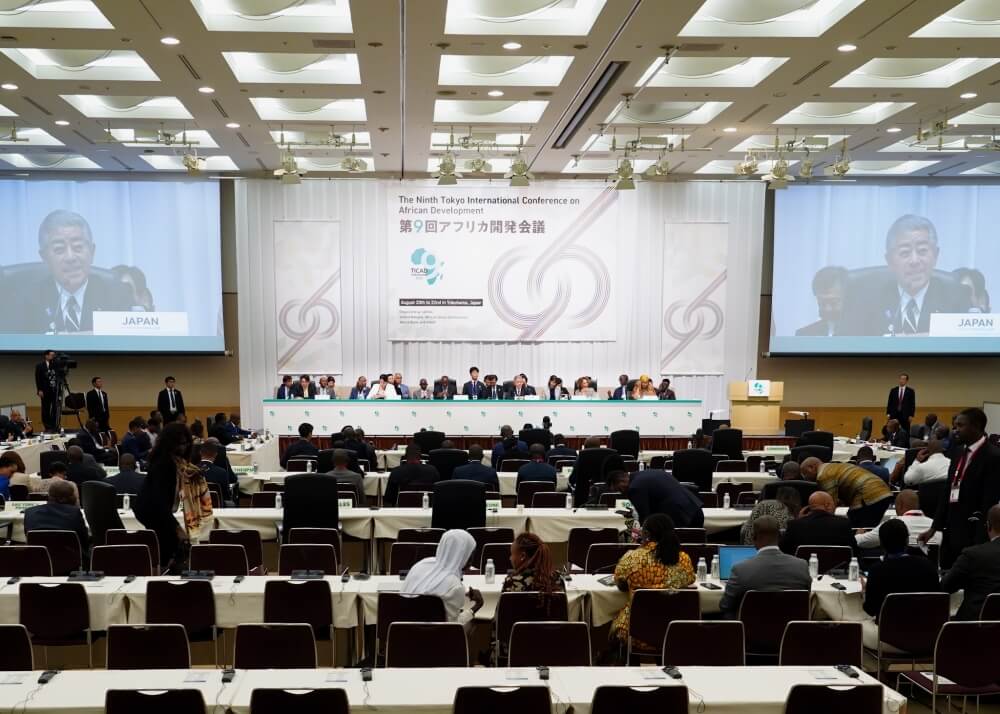
The Ninth Tokyo International Conference on African Development (TICAD 9), held in Yokohama from August 19 to 22, turned into a diplomatic test that once again exposed the growing isolation of the “polisario” separatists and their dependence on Algerian sponsorship.
From the outset, Japan left no room for ambiguity: TICAD is a forum exclusively reserved for sovereign states recognized by the United Nations. The so-called “sadr” was thus denied any form of invitation—official or unofficial—underscoring Tokyo’s longstanding position of non-recognition.
Japanese authorities rejected outright the supposed travel documents carried by the separatists. Even attempts to enter with Algerian passports were blocked. Their eventual presence in Yokohama was made possible only through the African Union Commission, which had extended invitations to all its members.
Yet the reality on the ground was stark. Upon arrival in Japan, the separatists received no official welcome, no institutional support, and no personalized accreditation. Instead, they were simply listed under a generic “African Union” label, erasing any pretense of recognition as an independent entity.
Japan went even further in reaffirming its stance. Over two consecutive days, its officials repeated three times that Tokyo does not recognize the so-called “sadr” and maintains no relations with it. Japanese Foreign Minister Iwaya Takeshi was explicit, declaring before African leaders that the entity’s presence “cannot in any way be interpreted as recognition.”
At the summit’s opening on Wednesday, Minister Iwaya issued a solemn statement reiterating Japan’s unwavering policy: “The presence of an entity not recognized by Japan as a state cannot affect Japan’s position regarding the status of this entity.”
These repeated clarifications dealt a severe blow to the separatists and their Algerian sponsors, transforming what was intended as a symbolic appearance into a showcase of marginalization.
Observers noted that Tokyo’s clear message aligns with the broader international consensus increasingly in favor of Morocco’s Autonomy Plan. Described by Japan and other global powers as a “realistic basis for a lasting solution,” the plan has gained significant traction in recent years, especially with support from the United States and several European nations.
For Algeria, which has long sought to leverage international gatherings to inflate the separatists’ standing, the outcome in Yokohama represented yet another setback. Rather than projecting legitimacy, its maneuver backfired by highlighting the lack of recognition accorded to the so-called “sadr.”
Moroccan diplomacy, meanwhile, emerged strengthened from the episode. By effectively neutralizing the separatists’ attempted infiltration, Rabat turned the incident into a demonstration of the entity’s isolation on the international stage.
TICAD 9 thus underscored the maturity of Moroccan diplomacy, which favors results over rhetoric and continues to consolidate international backing for the Autonomy Plan under Moroccan sovereignty.
In the end, what was meant by Algeria and the separatists as an opportunity for visibility became, instead, a public embarrassment—further proof of the decline of an outdated strategy and the consolidation of Morocco’s position as the only credible partner for peace and stability in the region.