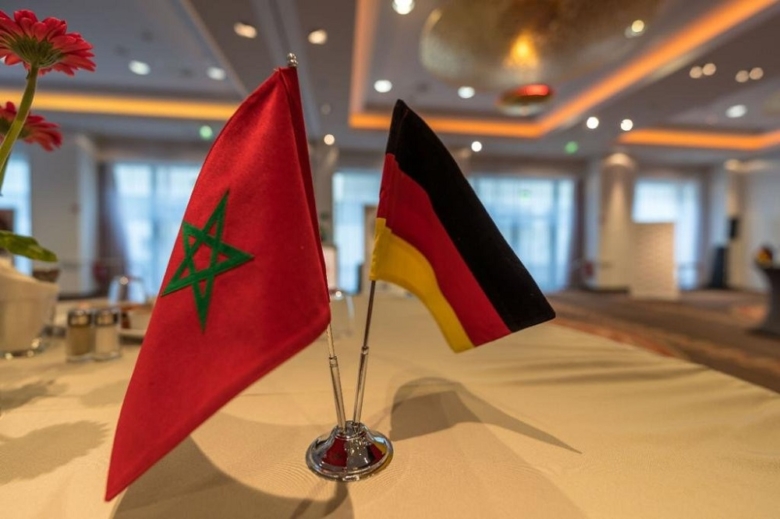
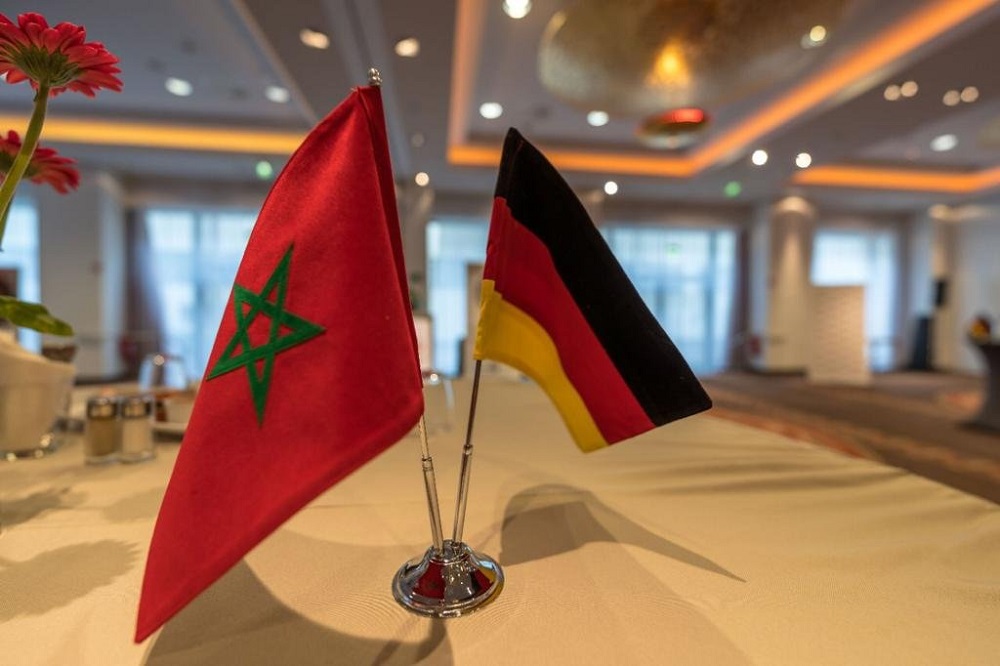
Morocco and Germany on Tuesday signed three financing agreements worth a total of €450 million, reinforcing bilateral cooperation in climate action, social protection and rail transport development.
The agreements were signed in Rabat by Minister Delegate in charge of the Budget Fouzi Lekjaa and Daniela Beckmann, Director General for North Africa at the German Development Bank (KfW).
The financing package covers three key programs: €100 million for climate policy support, €150 million for social protection, and €200 million for the mobility and logistics platform of the Casablanca–Settat region, implemented by the National Railways Office (ONCF).
The Climate Policy Support Program (Phase II) is aimed at strengthening Morocco’s resilience to climate change while supporting the transition to a low-carbon economy, in line with the Kingdom’s long-term environmental commitments.
The Social Protection Program (Phase II) focuses on consolidating Morocco’s social protection reform, particularly through direct social assistance mechanisms and employment promotion via active labor market programs targeting NEETs (young people not in employment, education or training).
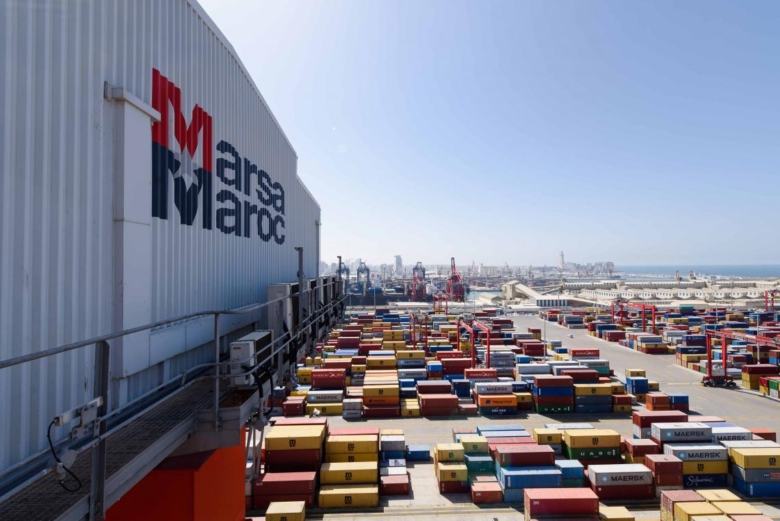
The €200 million allocated to the Casablanca–Settat mobility and logistics platform is intended to enhance rail transport by modernizing stations and developing rail infrastructure and services in one of the country’s most strategic economic regions.
Speaking at the signing ceremony, Lekjaa highlighted the strength of the Moroccan-German partnership, describing it as founded on a shared will to deepen cooperation and promote sustainable development.
He noted that with the signing of these new agreements, the cumulative value of financial contracts between Morocco and Germany has reached around €7 billion, in addition to approximately €500 million in technical assistance.
Lekjaa stressed the importance of these financings in supporting Morocco’s ambitions in energy transition and climate action, recalling that the Kingdom officially submitted its nationally determined contribution in 2025, reaffirming its strong commitment in this field.
He added that the rail mobility project would contribute to a comprehensive transformation of spatial planning, facilitating access, mobility and settlement in the Casablanca–Settat region, a key driver of Morocco’s economic development.
For her part, Beckmann expressed KfW’s pride in continuing to support Morocco’s sustainable and inclusive development projects.
She revealed that, within the framework of bilateral cooperation, a commitment has been made to double financing volumes in Morocco, noting that more than €600 million has been allocated for the current year alone.
Beckmann also praised the quality of cooperation between Moroccan and German teams, underlining the importance of joint work in the areas of sustainable mobility and regional development.
The signing ceremony was attended by several government officials, including Minister of Equipment and Water Nizar Baraka, Minister of Energy Transition and Sustainable Development Leila Benali, Minister of Economic Inclusion, Small Business, Employment and Skills Younes Sekkouri, as well as representatives of the relevant national institutions.