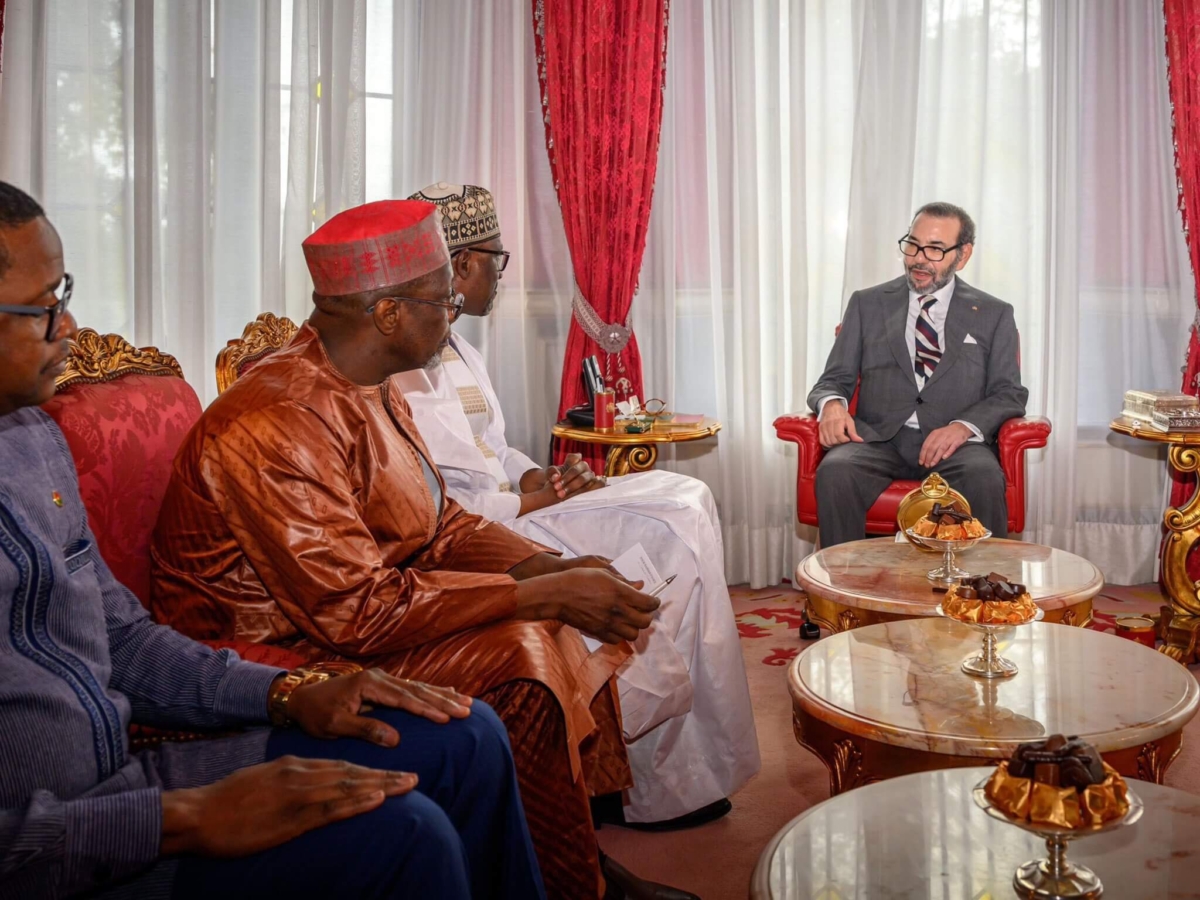
The growing political rapprochement between Morocco and the Sahel countries is causing evident unease within the Polisario Front. This concern is reflected in recent media reports published by the separatist group’s affiliated outlets, particularly following the meeting in Rabat between King Mohammed VI and the foreign ministers of Mali, Burkina Faso, and Niger.
These outlets have attempted to portray the Sahel countries’ pivot toward Morocco and away from Algeria in building new alliances as a move that could compromise their sovereign decision-making in the future, arguing that it would increase Morocco’s influence. However, many observers believe this narrative conceals deeper fears within the Polisario regarding the impact of this rapprochement on the separatist group’s existential future.
Commenting on these developments, Mohamed Salem Abdel Fattah, a political analyst and expert on the Sahara issue, said: “The Kingdom’s adversaries are apprehensive about the Morocco–Sahel rapprochement, as it paves the way for Sahel countries to fully assert their sovereignty over their territories. This would undermine the functional roles played by the Polisario Front and other armed militias used by Morocco’s rivals to challenge the territorial integrity of Sahel countries, destabilize their sovereignty, and manipulate their sovereign decisions.”
In a statement to Assahifa Arabic, Abdel Fattah added that “the Polisario’s functional roles are increasingly concentrated in the Sahel region, due to its connections with various extremist groups and militias, particularly in terms of supplying arms, provisions, and medicine.”
He also pointed out that the separatist front “is linked to organized crime groups operating in the Sahel, sponsoring illegal activities such as human trafficking, fuel smuggling, and arms trafficking.”
Therefore, according to Abdel Fattah, the Sahel countries extending full control over their territories would “undermine the Polisario’s sources of funding, which rely primarily on illegal activities across the region.” He further noted that “extremist groups with ties to the Sahel have a significant presence in Tindouf, playing a key role in recruiting youth and sending them to conflict zones in the region. The Polisario also relies on these militias and extremist groups to maintain tribal balance within the Tindouf camps.”
Abdel Fattah stressed that the Sahel countries’ engagement in the Atlantic Initiative would connect this strategic region with Morocco’s southern provinces, thereby reinforcing de facto and practical recognition of Moroccan sovereignty over the Sahara. He added that this could support the withdrawal of recognition of the Polisario by states such as Mali.
According to Abdel Fattah, this rapprochement is also likely to have other positive repercussions for Morocco, including “clear and explicit steps in support of the Kingdom regarding the Sahara issue, which would further strengthen Morocco’s diplomatic momentum and solidify the collapse of the separatist project.”