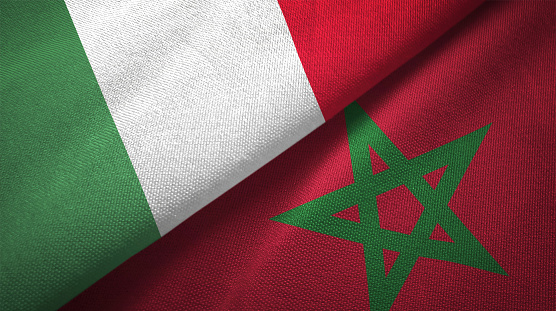

Spain’s Ministry of Agriculture, Fisheries and Food has clarified the controversy surrounding the latest agricultural arrangement between Morocco and the European Union, affirming that the deal is not new but rather a “technical adaptation following two rulings by the European courts.” The Ministry stressed that Spanish farmers “have no reason to worry about the safety of Moroccan agricultural imports.”
The Ministry’s comments came in response to questions from Assahifa after Spanish farmers’ associations voiced sharp criticism of the recent EU-Morocco agreement, which allows Morocco to resume exporting agricultural and fishery products from its southern provinces — the Moroccan Sahara — under the same conditions as goods from other parts of the country.
Several Spanish farmers’ organizations have accused Moroccan produce of failing to meet European sanitary standards and announced plans to file new complaints to contest the arrangement, citing what they called “unfair competition” and even political arguments disputing Morocco’s sovereignty over its southern provinces.
In its written response to Assahifa, the Spanish Ministry said that Minister Luis Planas “understands the concerns of Spain’s agricultural stakeholders, particularly in Almería,” but insisted that the arrangement with Morocco “is not a new agreement, but a technical adjustment resulting from two European court rulings.”
Addressing the allegations regarding sanitary controls, the Ministry emphasized that all products entering the EU “undergo border inspections,” stressing that “no product enters the European Union without being subject to rigorous checks.”
The clarification from Madrid follows mounting pressure from major Spanish agricultural associations such as COAG and ASAJA, which argue that the updated deal “threatens local Spanish production and creates unfair competition,” claiming Moroccan goods “are not held to the same environmental and health standards as European farmers.”
Observers, however, suggest that the real motive behind the Spanish farmers’ opposition lies not in food safety, but in economic competitiveness. Moroccan agricultural products, they note, are gaining market share in Europe thanks to their increasing quality and lower production costs — advantages that make them highly appealing to European consumers.
Analysts point out that invoking “health and environmental” arguments serves as an economic pretext to limit Morocco’s growing foothold in key European markets, particularly in tomatoes, peppers, melons, and cucumbers — sectors where Moroccan exports have seen steady growth.
The revised EU-Morocco agricultural agreement, which provisionally entered into force on October 3, extends its coverage to products from Morocco’s southern regions, including Laâyoune-Sakia El Hamra and Dakhla-Oued Eddahab. The deal also requires clear labeling of geographical origins on goods sold to European consumers.
The agreement’s final legal procedures are expected to be completed in the coming months, even as Spanish farmers’ organizations continue to campaign against it. Both the Spanish Ministry of Agriculture and Moroccan health authorities, however, reaffirm that all Moroccan agricultural exports fully comply with European standards and regulations.