Just days before Morocco kicks off the 2025 Africa Cup of Nations (AFCON), the World Bank has commended the Kingdom’s transport and mobility infrastructure, highlighting its positive social and economic impact as well as its role in improving daily life for citizens.
The praise came in a World Bank report published on its official website on Thursday titled “Routes to Resilience: The Power of Transport and Jobs in Morocco and Yemen.” The report describes investment in transport infrastructure as the backbone of modern economies, linking people to opportunities, goods to markets, and communities to one another.
According to the World Bank, transport goes beyond roads and bridges, serving as a vital artery for stability and growth, particularly in fast-urbanising and fragile contexts. By reducing isolation and improving access to jobs and essential services, transport systems help sustain economic activity even during times of crisis.
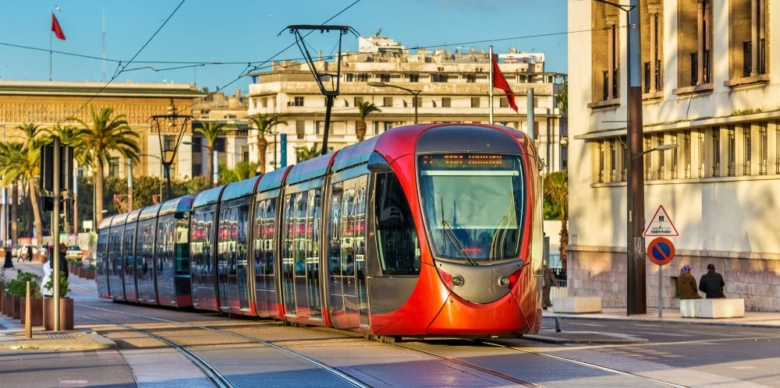
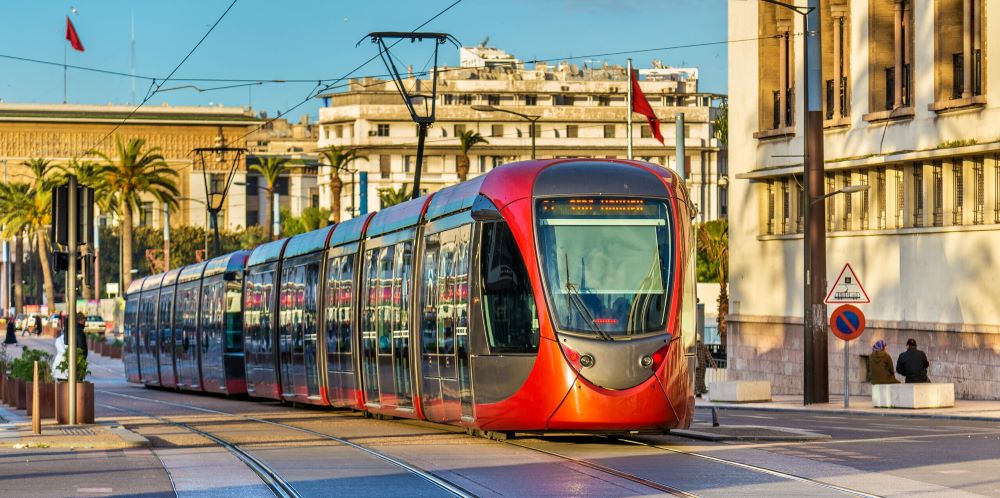
Focusing on Morocco, the report noted that investments in urban transport—supported by the country’s Urban Transport Program—have brought tangible improvements to daily mobility in major cities through upgraded infrastructure, systems, and public transport services.
The World Bank pointed to the launch of a new Bus Rapid Transit (BRT) line in Casablanca, which has reduced travel times and connected more residents to employment hubs and essential services. It also highlighted better integration of transport networks in Casablanca, Rabat, and Agadir, linking buses, trams, and other modes of transport, enabling passengers to save at least 20 minutes a day in travel and waiting time.
These time savings, the report said, do more than ease commutes; they also encourage job seekers to explore opportunities beyond their immediate neighbourhoods, thanks to faster and more reliable transport.
The report included testimonies from beneficiaries, including Youssef from Agadir, who said improved transport corridors have made it easier for him to reach work and access services, making the city more connected than ever. Salma, a young trainee, said new transport options allowed her to attend vocational training far from her home, boosting her optimism about her professional future.
The World Bank also stressed that urban mobility in the concerned Moroccan cities has become safer, more efficient and more inclusive, thanks to system designs that protect pedestrians, cyclists and passengers, alongside well-lit stations, surveillance cameras and on-site staff.
On the environmental front, the report noted that improvements in urban transport contribute to Morocco’s climate and sustainability goals by offering reliable and affordable public transport alternatives to private cars, helping cut greenhouse gas emissions and air pollution.
Overall, the projects have benefited around 158,000 people directly, with women accounting for about 45 percent of beneficiaries—figures the World Bank said reflect Morocco’s growing commitment to fair and inclusive growth.
This recognition comes as Morocco prepares to host AFCON 2025 from 21 December to 18 January 2026, with attention increasingly focused on how transport and mobility systems will handle the movement of fans and teams across host cities.