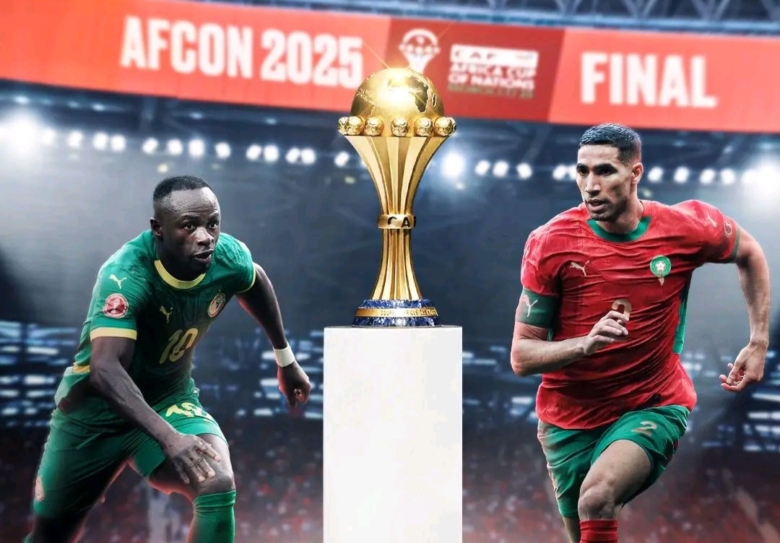
The International Atomic Energy Agency (IAEA) revealed on Sunday that Morocco implemented special measures during the 2025 Africa Cup of Nations (AFCON), which concludes this evening with the final between Morocco and Senegal at Rabat’s Prince Moulay Abdellah Stadium, to secure both the fans and the tournament against any potential nuclear threats.
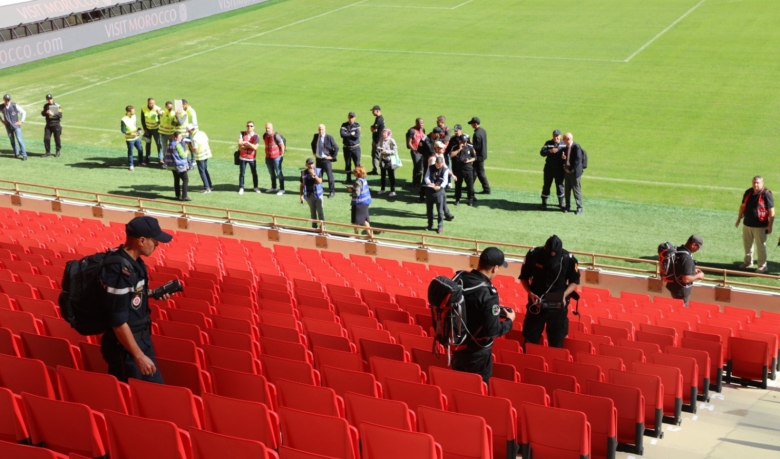
The Agency noted on its official website that the scale of the tournament, held from 21 December 2025 to 18 January 2026, required enhanced security measures to protect hundreds of thousands of spectators attending matches across various stadiums in Morocco.
In this context, the IAEA explained that Morocco requested its support to ensure that nuclear or radioactive materials could not be used to target the event, including through a review and strengthening of existing security arrangements. The Agency highlighted that large gatherings pose unique security challenges, especially in preventing the misuse of nuclear or radioactive materials, prompting the provision of technical support and specialized training to Moroccan authorities.
The IAEA pointed out that, in preparation for hosting the tournament, Morocco hosted an expert mission to Rabat in June to review its nuclear security arrangements, followed by training for security officials on equipment operation and maintenance at the IAEA’s International Nuclear Security Training and Demonstration Centre.
The Agency added that these measures are part of its broader efforts to assist countries hosting major sporting events in strengthening their nuclear security, noting that it is currently providing similar support to Mexico as it prepares to host the 2026 FIFA World Cup.
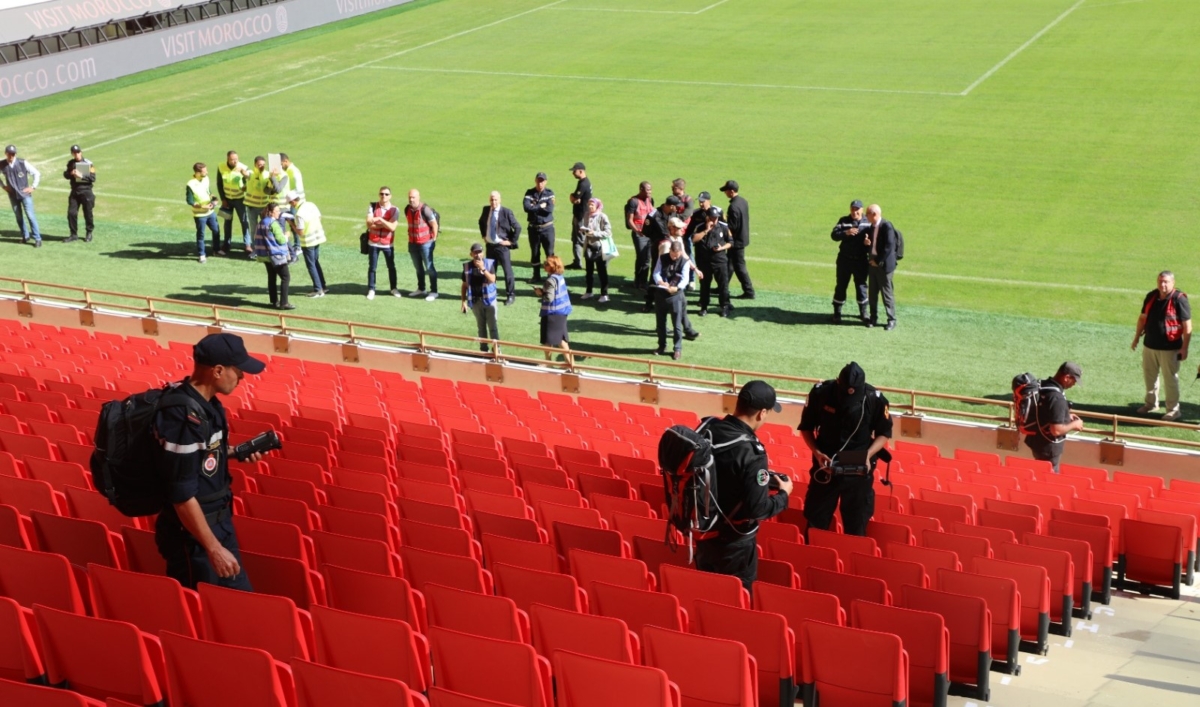
Elena Buglova, Director of the IAEA Division of Nuclear Security, said that the cooperation with Morocco builds on years of experience supporting African nations to host AFCON in a safe environment for teams and fans. She also highlighted that the IAEA provided radiation detection equipment for use during the tournament and in security exercises organized by Moroccan authorities in Rabat and Marrakech in October, with IAEA experts participating.
The report cited Bouchaib Fikri, the national coordinator for IAEA support in Morocco, who said that the Agency’s technical assistance contributed to strengthening Morocco’s national nuclear safety and security capabilities and helped ensure the tournament took place in a safe environment for fans and players.
The IAEA emphasized on its website that these measures reflect Morocco’s ongoing commitment to nuclear security and its dedication to protecting fans and participating teams from any potential threat.
The Agency further stressed that Morocco’s efforts, in cooperation with the IAEA, are part of the Agency’s wider mandate to help countries prevent, detect, and respond to nuclear security threats, ensuring the safety of the public at major events.
According to the report, since 2004 the IAEA has supported 49 countries in enhancing nuclear security at 88 major public events by providing training, technical guidance, and equipment.
The IAEA also noted that its support is not limited to football, highlighting that in 2025 the Agency provided nuclear security expertise for the first time at a Formula 1 Grand Prix in Baku, helping protect participants and spectators against any potential nuclear threats.
These efforts underline the growing importance of nuclear security measures in safeguarding international sporting events and ensuring the safety of large public gatherings.
The IAEA report concludes that Morocco’s preventive measures, in coordination with the Agency, demonstrate a model approach to integrating nuclear security into major sports tournaments, balancing fan experience with high-level safety standards.
By implementing these precautions, Morocco has set a precedent for how host nations can proactively address potential nuclear threats while managing large-scale international events.