Former Algerian minister and prominent critic of the country’s military-backed system, Nourredine Boukrouh, has warned that Algeria is heading down a path similar to Venezuela’s, both in terms of authoritarian governance and the scale of internal and external threats facing the country, saying Algeria is entering 2026 in a “poor domestic and international condition.”
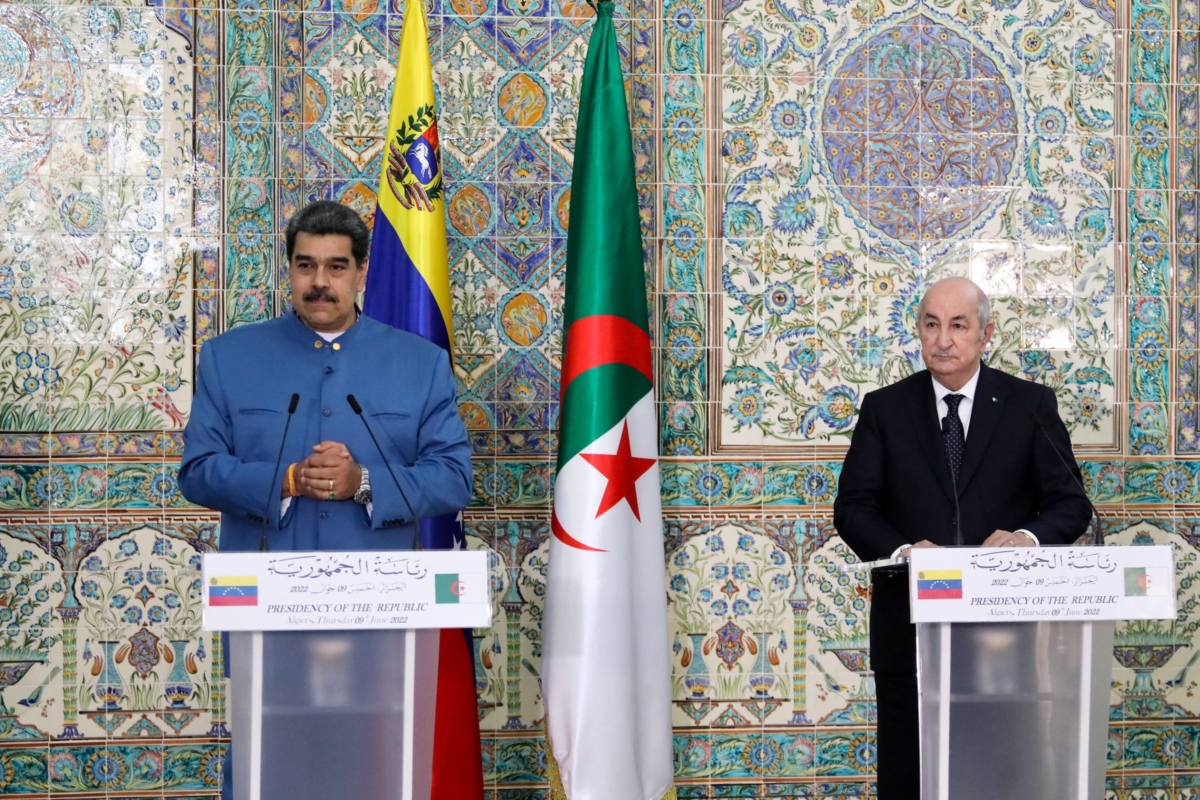
Boukrouh’s warning came in a lengthy post published on his official Facebook account, in which he posed the question: “Is Algeria following Venezuela’s path?” He referred to recent developments in the Latin American country, notably the arrest of Venezuelan President Nicolás Maduro and his transfer to the United States to stand trial, describing the episode as a stark illustration of the ultimate fate of authoritarian rule.
The former minister said he followed events in Venezuela with mixed feelings, torn between frustration over what he described as the “triumph of force over international law” and reassurance that tyrants may eventually be held accountable for crimes committed against their own people while still alive.
In this context, Boukrouh recalled the downfall of several leaders whose rule ended, in his words, in humiliation, citing Manuel Noriega, Muammar Gaddafi, Saddam Hussein, Bashar al-Assad and Hosni Mubarak. He argued that Algeria had supported these figures, just as it supported Nicolás Maduro “until the very last day,” and would, he claimed, continue backing Tunisian President Kais Saied until his fall.
Boukrouh directed sharp criticism at Maduro himself, questioning why he surrendered instead of, as he put it, “dying with honor.” He said the Venezuelan leader was not the hero he claimed to be, but rather a ruler who oppressed his people, destroyed his country, rendered the national currency worthless and forced millions of Venezuelans into exile.
Drawing a direct comparison between Algeria and Venezuela, Boukrouh said the relationship between the two countries was based on an “emotional friendship” rather than pragmatic interests, noting the near-total absence of economic cooperation and the shared reliance on oil rents due to their failure to build diversified, productive economies.
He added that both countries embrace a largely symbolic anti-imperialist discourse and vague revolutionary values, while in practice exercising authoritarian power concealed behind populist and sovereignty-driven rhetoric aimed at stifling public freedoms and human rights.
Turning to Algeria’s domestic situation, Boukrouh painted a bleak picture, warning of a continued and dangerous depreciation of the dinar, excessive money creation approaching what he described as currency counterfeiting, and a refusal by citizens to deposit cash in banks, further fueling the parallel currency market.
He also pointed to growing social and economic tensions, including protests against a proposed traffic law, strikes by transport workers, rising fuel prices and the resulting increases in the cost of many consumer goods.
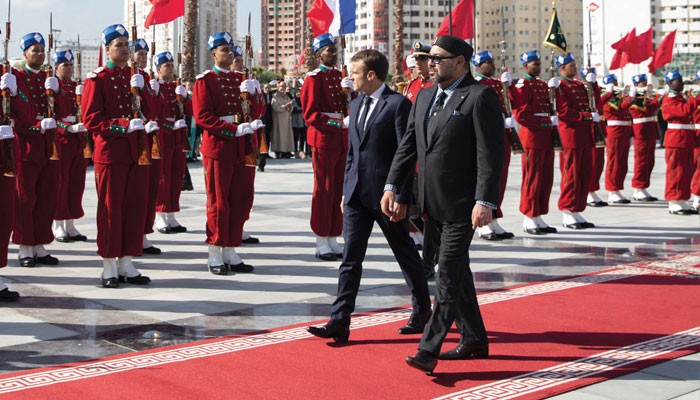
On the external front, Boukrouh warned of several files he said threaten Algeria’s stability, including border claims from neighboring countries, the Algerian–Moroccan agreement on the Ghar Jbeilat iron ore project and its implications for what he termed the “Eastern Sahara,” allegedly backed by France, as well as the Algerian–Tunisian military agreement.
He further cited the Kabylia independence issue, the alleged involvement of senior officials in terrorism-related cases in France and Spain, complaints over human rights violations filed with international bodies, accusations of supporting terrorism in Mali and Western Sahara, and drug trafficking cases involving cocaine smuggling.
Boukrouh argued that these challenges are unfolding at a time when the world is entering a phase of rapid and unpredictable transformations, making current political and economic calculations increasingly fragile and prone to failure.
He concluded by calling for an urgent review of Algeria’s policy choices and development strategies if the country hopes to get through 2026 with minimal losses, warning that what comes after remains open to unpredictable and potentially serious scenarios.